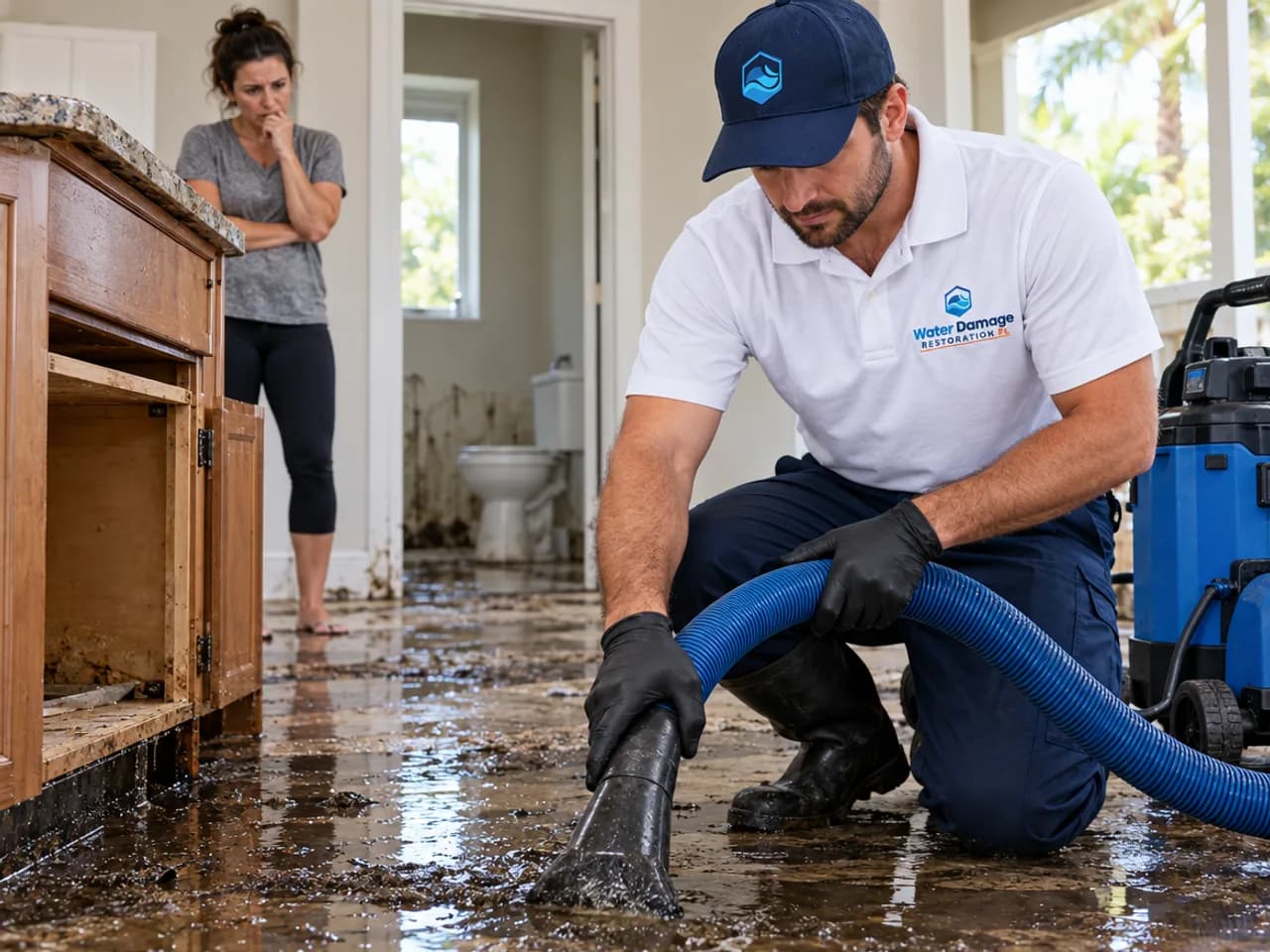
Most water problems have a reasonable DIY option for small, clean situations. A sewage backup is not one of them. Of all the water losses a home can suffer, a sewage backup is the one where the do-it-yourself instinct is most likely to cause harm — to your health and to your property. Here's an honest look at why, and what professional cleanup involves instead.
Why sewage is different
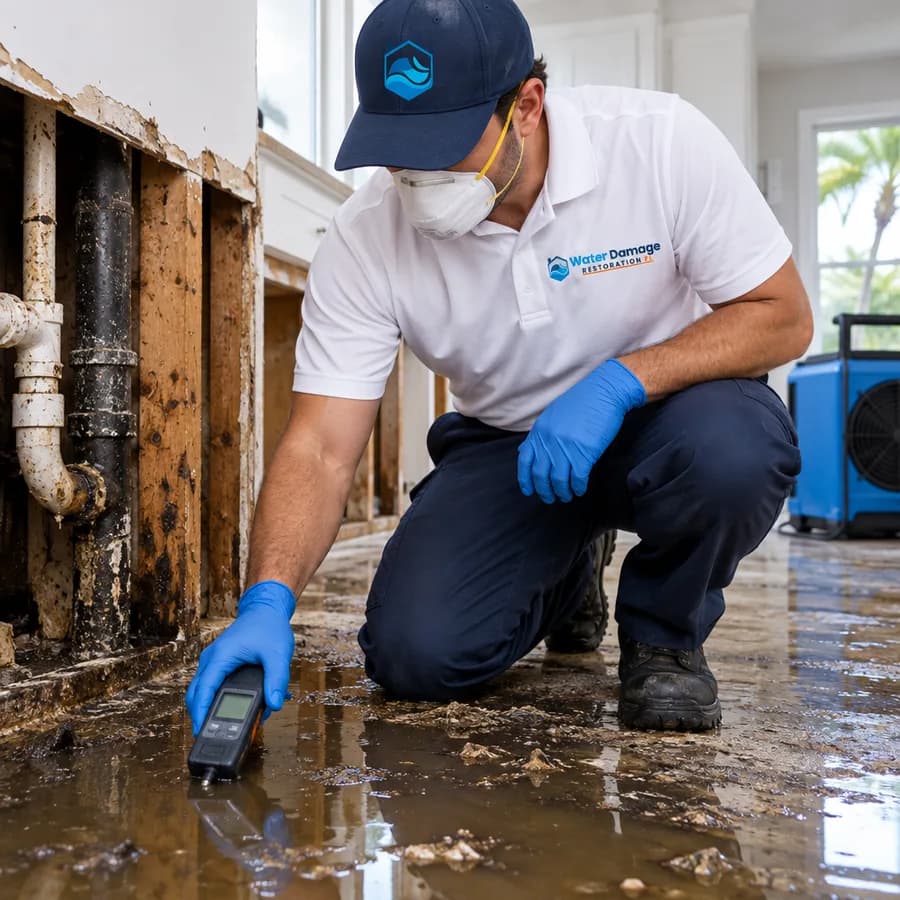
Sewage is Category 3 water — the most contaminated classification. It carries bacteria, viruses, and other pathogens, and exposure through contact, or by breathing the aerosols stirred up during cleanup, can cause illness. This isn't like mopping up a clean-water spill; it's handling a genuine biohazard. That single fact changes the entire approach.
The problems with DIY sewage cleanup
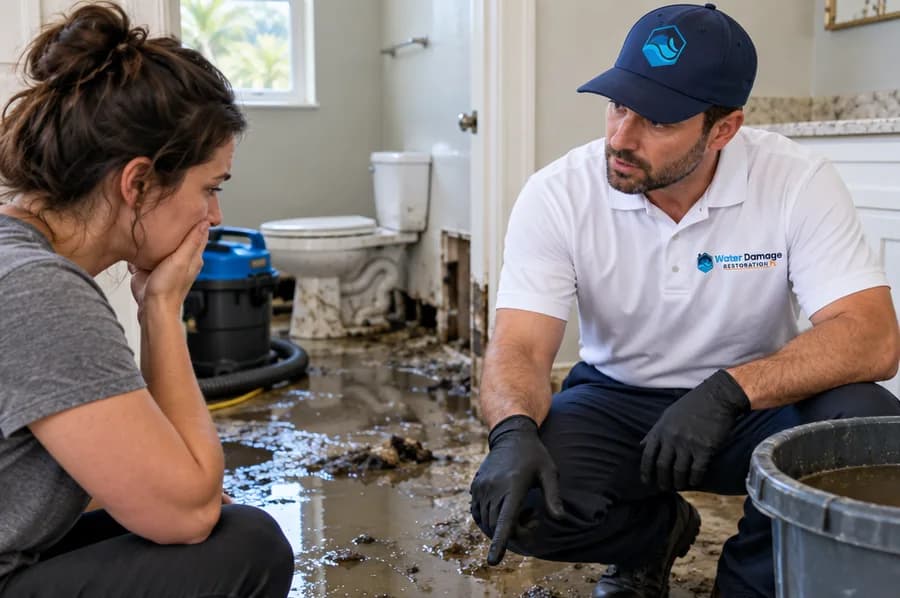
- Health risk — without proper protective equipment, you're exposed to pathogens.
- Spreading contamination — disturbing sewage without containment tracks it into clean areas.
- Porous materials — carpet, pad, and drywall that soaked up sewage can't be sanitized reliably by wiping, so cleaning and keeping them leaves contamination behind.
- Hidden reach — sewage travels under flooring and into walls, beyond what surface cleaning addresses.
- Lingering odor — incomplete cleanup leaves a smell that keeps coming back.
In short, DIY sewage cleanup tends to leave a home that looks clean but isn't safe, while exposing you to real health risks in the process.
What professional sewage cleanup involves
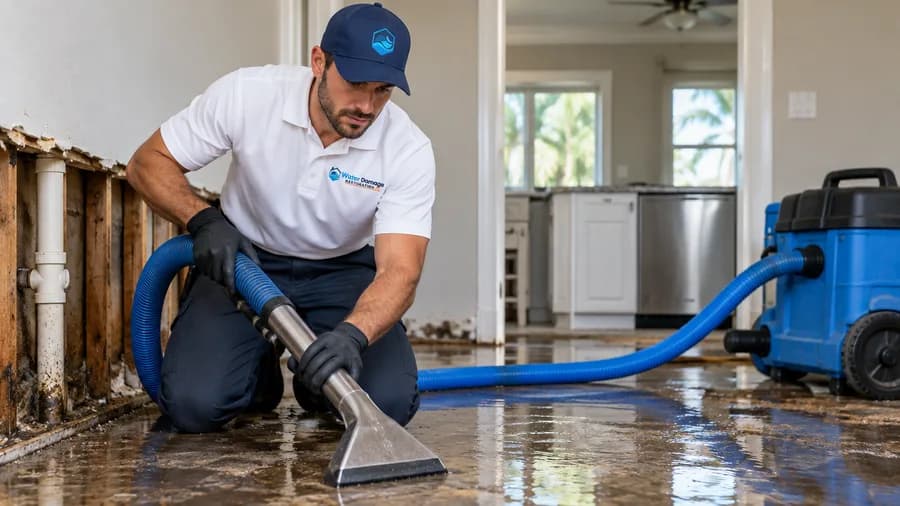
Professional sewage cleanup treats the situation as the health hazard it is, from the first step:
- Containing the affected area to stop contamination from spreading.
- Using protective equipment throughout the work.
- Removing the sewage, contaminated water, and any solids.
- Removing porous materials that soaked up the contamination.
- Cleaning and disinfecting hard surfaces with antimicrobial products.
- Drying the structure and deodorizing to eliminate the smell at its source.
The goal isn't just to remove the water and dry the space — it's to decontaminate the area so it's genuinely safe to use again. That's the fundamental difference from a DIY effort focused only on getting rid of the visible mess.
What you should do in a sewage backup
While you wait for professional help, focus on safety rather than cleanup:
- Keep people and pets away from the contaminated area.
- Stop using plumbing that drains toward the backup.
- Avoid contact with the water and anything it touched.
- Cut power to the area if water is near outlets and it's safe to reach the panel.
- Take photos for your records, then call for professional cleanup.
The bottom line
A sewage backup is a health hazard and an emergency, not a weekend cleanup project. The risks of doing it yourself — to your health and from incomplete decontamination — outweigh any savings. This is the clearest case for calling professionals, who can make the space safe as well as clean. Coverage for sewage backup varies, so check whether your policy includes a backup endorsement.
What professional disinfection involves
A big part of why sewage cleanup belongs with professionals is the disinfection step, which goes well beyond wiping surfaces with household cleaner. After the sewage and contaminated materials are removed, hard surfaces are cleaned and treated with antimicrobial products designed for biohazard situations, applied thoroughly to everything the contamination touched. The area is then dried — critical in Florida's humidity — and deodorized at the source. The goal is decontamination: making the space safe to occupy again, not just clean-looking. That level of treatment isn't something a mop and a bottle of cleaner can achieve.
Why the smell lingers after DIY cleanup
A telltale sign of incomplete sewage cleanup is a smell that keeps coming back. It happens because the odor's source — contamination absorbed into porous materials and moisture left in the structure — is still there. Cleaning the surface without removing the soaked carpet, pad, or drywall beneath, and without fully drying the area, leaves the smell a place to live. Air fresheners mask it briefly, but it returns until the contaminated materials are gone and the space is properly dried. Lingering odor after a DIY attempt usually means the job wasn't finished.
How to prevent future sewage backups
Once you've dealt with one backup, prevention is worth the effort: avoid flushing wipes, grease, and non-degradable items; have the sewer line inspected if you have mature trees whose roots can intrude; consider a backwater valve that stops sewage from flowing back into the home; and be extra alert during heavy rain, when municipal systems can overload. If backups recur, a plumber can help identify whether the problem is in your line or the municipal main.
The health risks of sewage exposure
The core reason sewage cleanup isn't a DIY job is the health risk, which is real and worth taking seriously:
- Bacteria and viruses in sewage can cause gastrointestinal and other illnesses.
- Contact with skin, or with cuts and mucous membranes, is a route of exposure.
- Aerosols stirred up during cleanup can be inhaled.
- Contaminated materials that look dry can still harbor pathogens.
- Cross-contamination can spread the hazard to clean parts of the home.
This is why protective equipment, containment, and proper disinfection aren't optional extras — they're the difference between cleaning a mess and creating a health hazard.
What proper sewage cleanup includes
A professional sewage cleanup follows a careful, safety-first sequence:
- Assess the contamination and contain the affected area.
- Work in protective equipment throughout.
- Remove the sewage, contaminated water, and solids.
- Remove porous materials that can't be sanitized.
- Clean and disinfect all hard surfaces with antimicrobial products.
- Dry the structure and deodorize at the source.
Signs a DIY cleanup wasn't enough
If someone has already attempted a sewage cleanup, certain signs suggest it wasn't complete: a smell that keeps returning, a persistently damp feel to the area, staining that reappears, or any lingering evidence of contamination. Because incomplete cleanup can leave both a health hazard and the conditions for mold, these signs are worth acting on. A professional assessment can determine what was missed — often contaminated porous materials left in place or moisture that was never fully dried — and finish the job properly.