Sewage Cleanup in Florida
Sewage cleanup is the safe removal of sewage followed by cleaning, disinfecting, and drying the affected areas. Our our crews treat sewage as Category 3 black water — using protective equipment and containment — so the space is decontaminated and made safe again.
What to expect during sewage cleanup
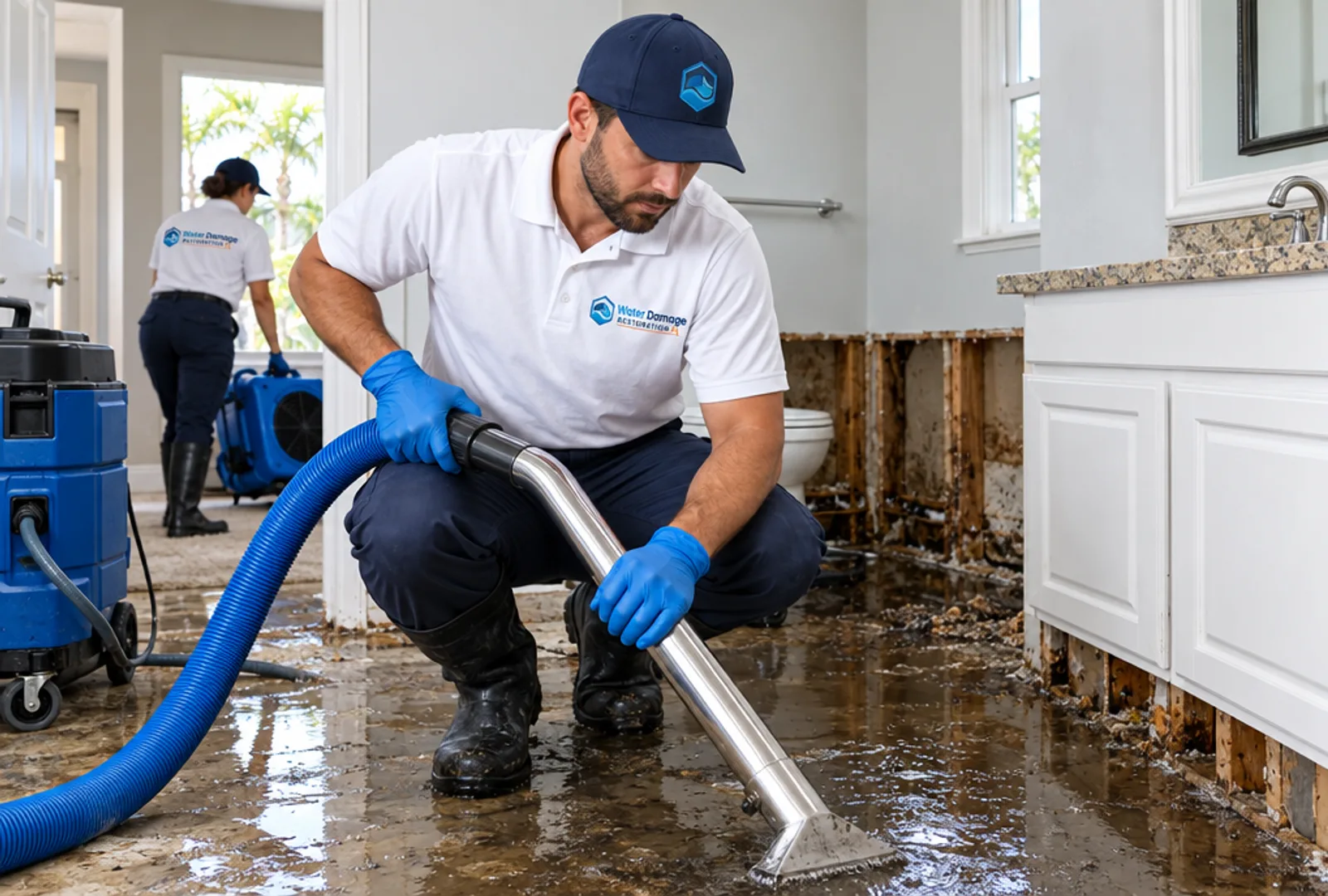
Sewage cleanup is a careful, safety-first process, and knowing its shape can make an unpleasant situation less overwhelming. Every step is built around containing a health hazard and decontaminating the space, not just clearing the mess.
When the crew arrives, they assess the contamination and seal off the affected area so it can't spread, working in protective equipment throughout. The sewage, contaminated water, and any solids are removed, followed by the porous materials — carpet, pad, lower drywall, insulation — that soaked it up and can't be sanitized. Hard surfaces are then cleaned and disinfected with antimicrobial products, the structure is dried, and the area is deodorized to remove the smell at its source. Throughout, the loss is documented for your insurance claim. The result is a space that has been made genuinely safe again, not just superficially cleaned.
The health risks that set sewage apart
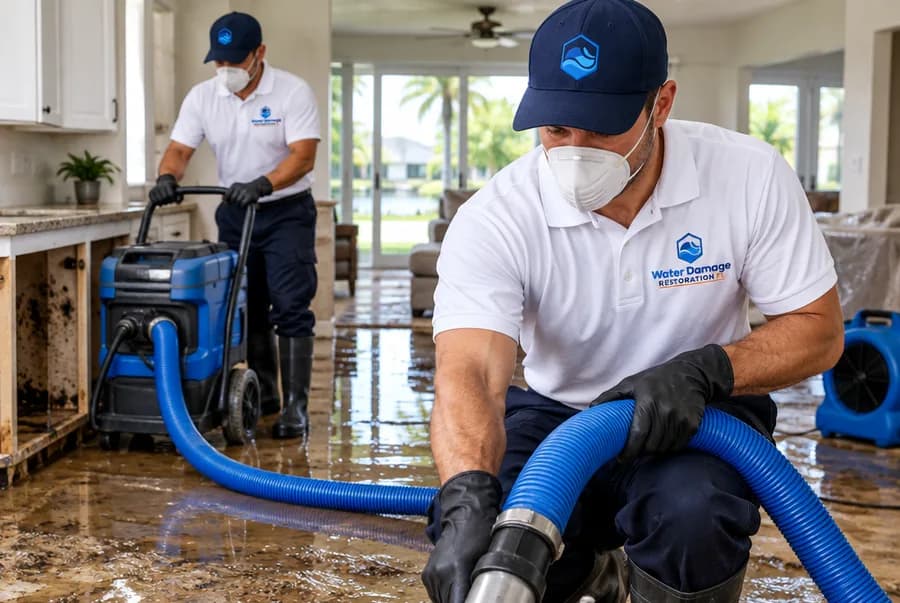
What makes sewage cleanup fundamentally different from other water work is what sewage contains. As Category 3 water, it carries bacteria, viruses, and other pathogens, and exposure — through contact, or by breathing aerosols disturbed during cleanup — can cause real illness. This is why sewage is handled as a health hazard from the first moment, not just a mess.
That risk shapes every part of the job. Technicians wear protective equipment, the area is contained so contamination doesn't spread, and porous materials that soaked up the sewage are removed rather than cleaned, because they can't be disinfected reliably.
The goal isn't only to remove the water and dry the space — it's to decontaminate the area so it's genuinely safe to use again, which is exactly why this work belongs with trained crews rather than a DIY effort.
What sewage cleanup involves
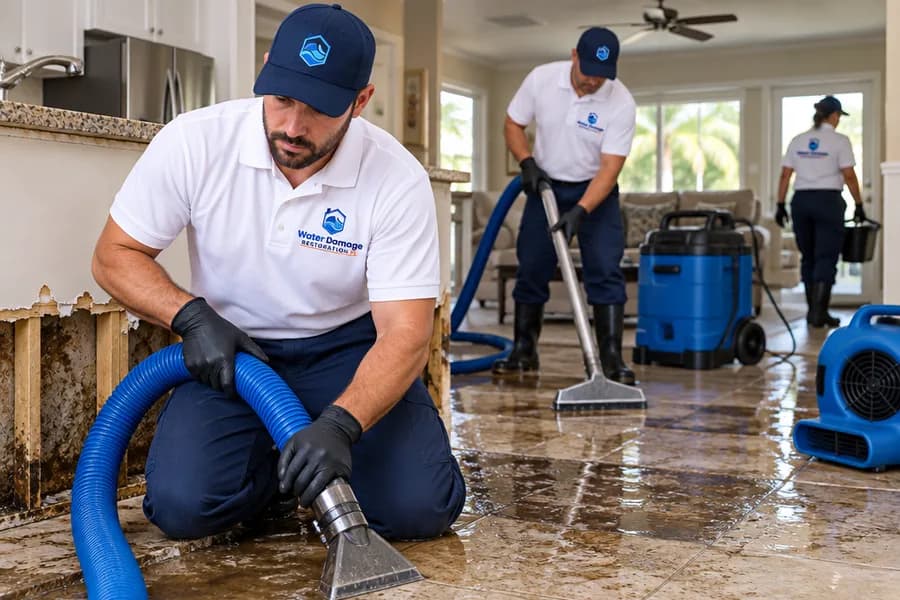
Sewage cleanup is a specialized, safety-first job because of what sewage contains. It's not enough to remove the water; the area has to be decontaminated. That means containing the spread, removing sewage and contaminated materials, disinfecting surfaces, drying the structure, and eliminating odor.
Each step is handled by trained technicians with the right protective equipment, because contact with sewage carries real health risks.
Why sewage requires professional handling
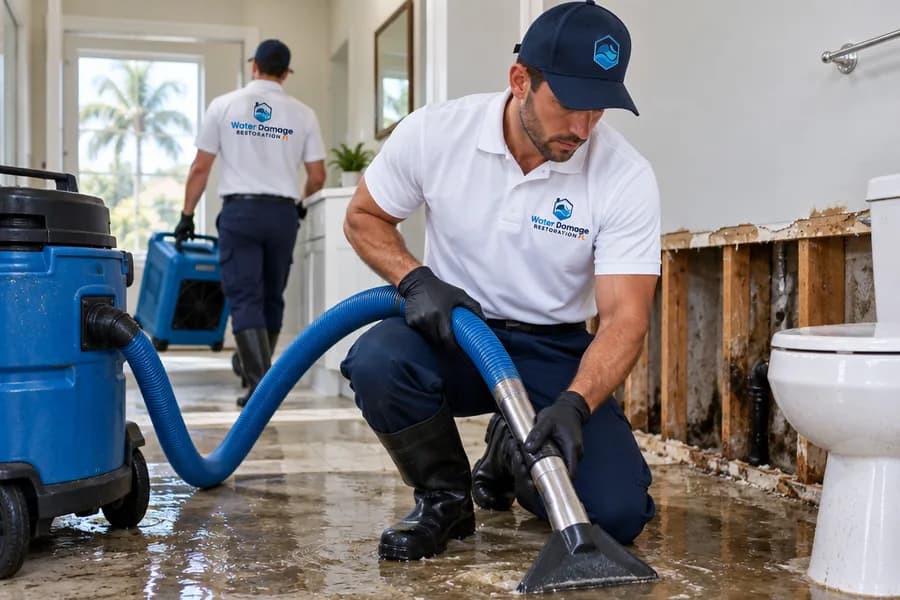
Sewage is Category 3 water — grossly contaminated with bacteria, viruses, and other pathogens. Cleaning it up without proper protection and disinfection risks illness and can leave contamination behind that causes lingering odor and health hazards.
Professional cleanup uses containment to prevent spread, protective equipment for safety, antimicrobial disinfection, and thorough drying, so the space is genuinely safe rather than just superficially clean.
What we remove and what we save
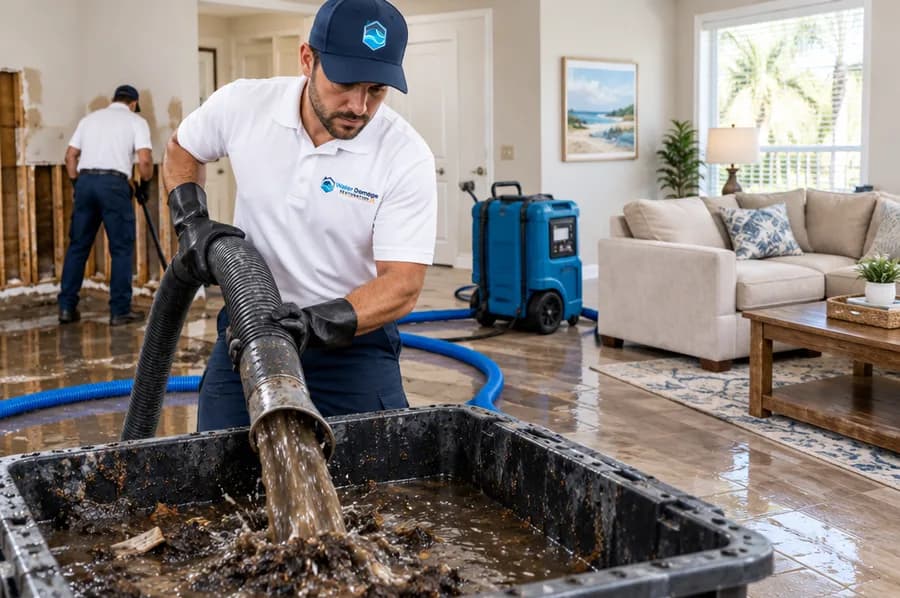
Porous materials that soak up contaminated water usually can't be sanitized reliably and are removed — carpet, pad, the lower portion of drywall, insulation, and similar materials. Hard, non-porous surfaces such as sealed floors, tile, metal, and glass can typically be cleaned and disinfected.
We document everything before disposal so you have records for insurance, and we're honest about what can and can't be safely saved.
Disinfecting, drying, and deodorizing
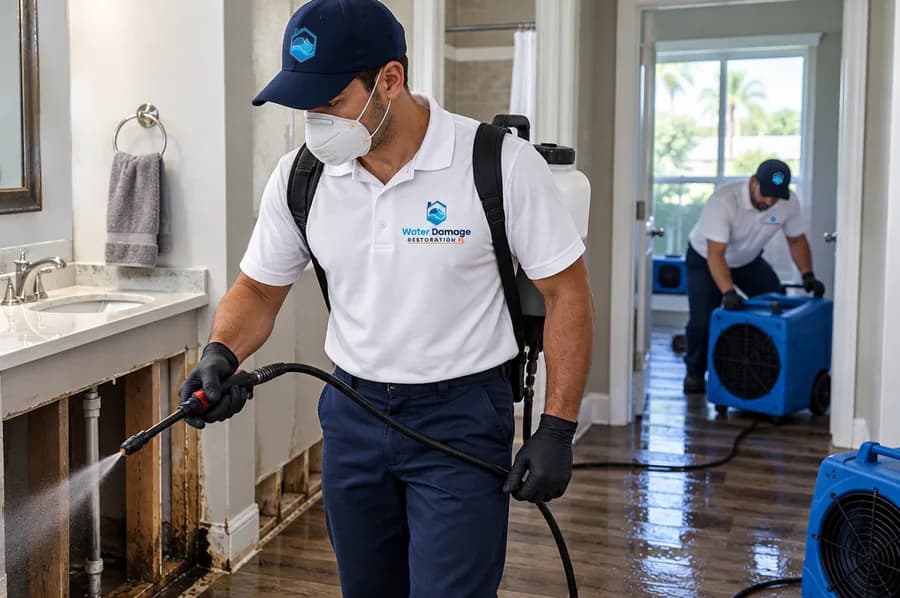
After the sewage and contaminated materials are removed, affected surfaces are cleaned and treated with antimicrobial products. The structure is then dried with dehumidifiers and air movers — important across Florida's humidity to prevent mold — and the area is deodorized to address the strong sewage smell at its source.
Only when the space is decontaminated, dry, and odor-free is it ready for any repairs that restore it.
24/7 emergency sewage cleanup across Florida
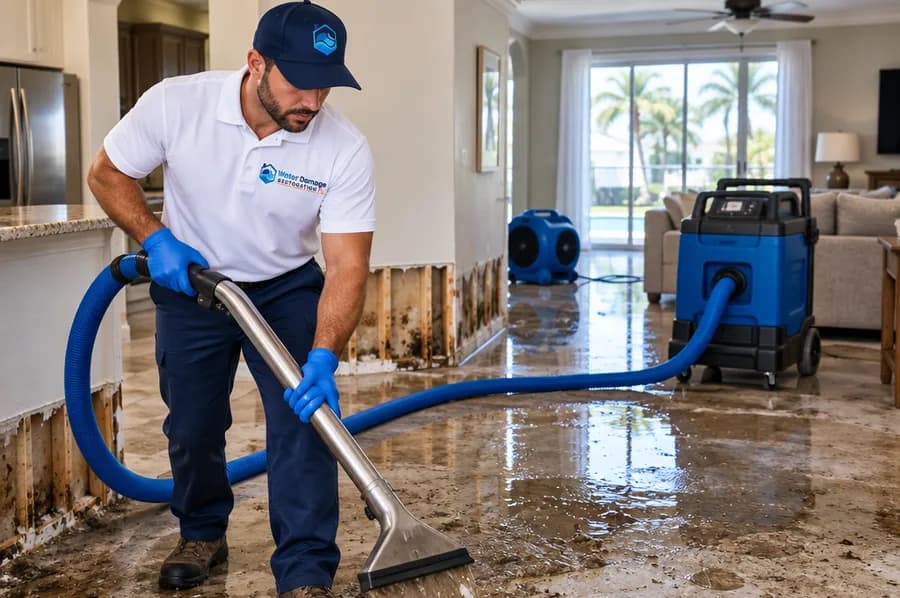
A sewage spill is both a hazard and an emergency, so our crews respond around the clock across Florida. Fast containment and removal limit how far the contamination spreads and make the cleanup safer and more complete.
Request this service
Tell us what happened and we'll follow up to confirm next steps.
Frequently asked questions
It depends on how far the contamination spread and how much material must be removed and dried. Cleanup and disinfection may take a day or more, with drying continuing several days after. A larger or multi-room backup takes longer. We provide a realistic timeline once the affected area is assessed.
Yes. Sewage is Category 3 water containing bacteria and pathogens that can cause illness. It requires protective equipment, containment, and disinfection, which is why professional cleanup is strongly recommended.
Porous materials the sewage soaked — carpet, pad, lower drywall, and insulation — usually have to be removed because they can't be sanitized reliably. Hard, non-porous surfaces can generally be cleaned and disinfected.
Yes. After removal and disinfection, we deodorize to address the odor at its source rather than masking it, and thorough drying removes the moisture that would otherwise sustain the smell and mold.
Immediately. Sewage is a health hazard that spreads and worsens quickly, and mold can begin within 24 to 48 hours. Fast containment and removal limit the contamination and the risk.
Many policies exclude sewer backup unless you carry a specific endorsement, though coverage varies. Your insurer makes the call; we document the loss thoroughly to support your claim.
Still have a question? Call us at (904) 555-0100