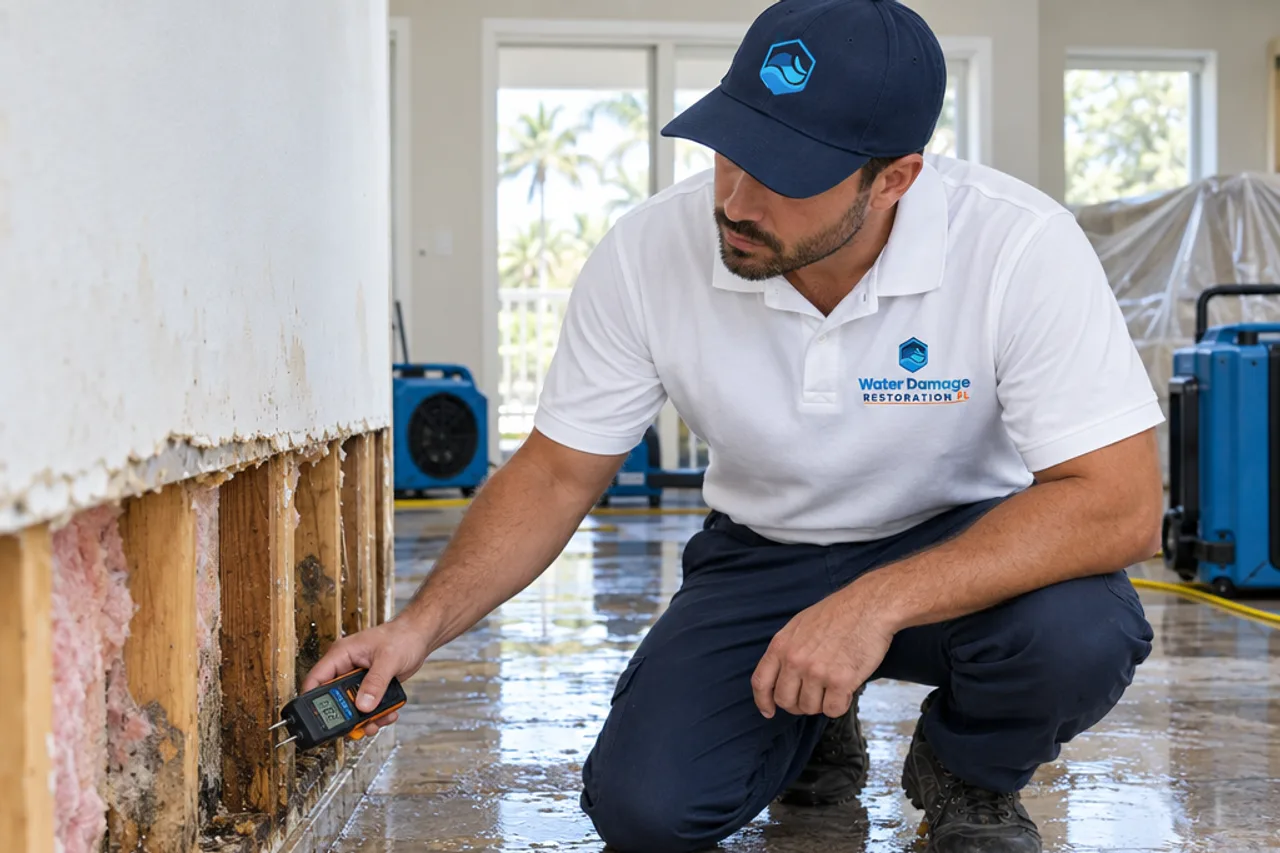
Not all water is equal. When restoration professionals assess a water loss, one of the first things they determine is the water's category — a rating of how contaminated it is. That single label shapes everything that follows: what protective steps are needed, what can be cleaned and saved, and what has to be removed. Understanding the three categories helps you grasp why a burst supply line and a sewage backup are handled so differently.
Category 1: clean water
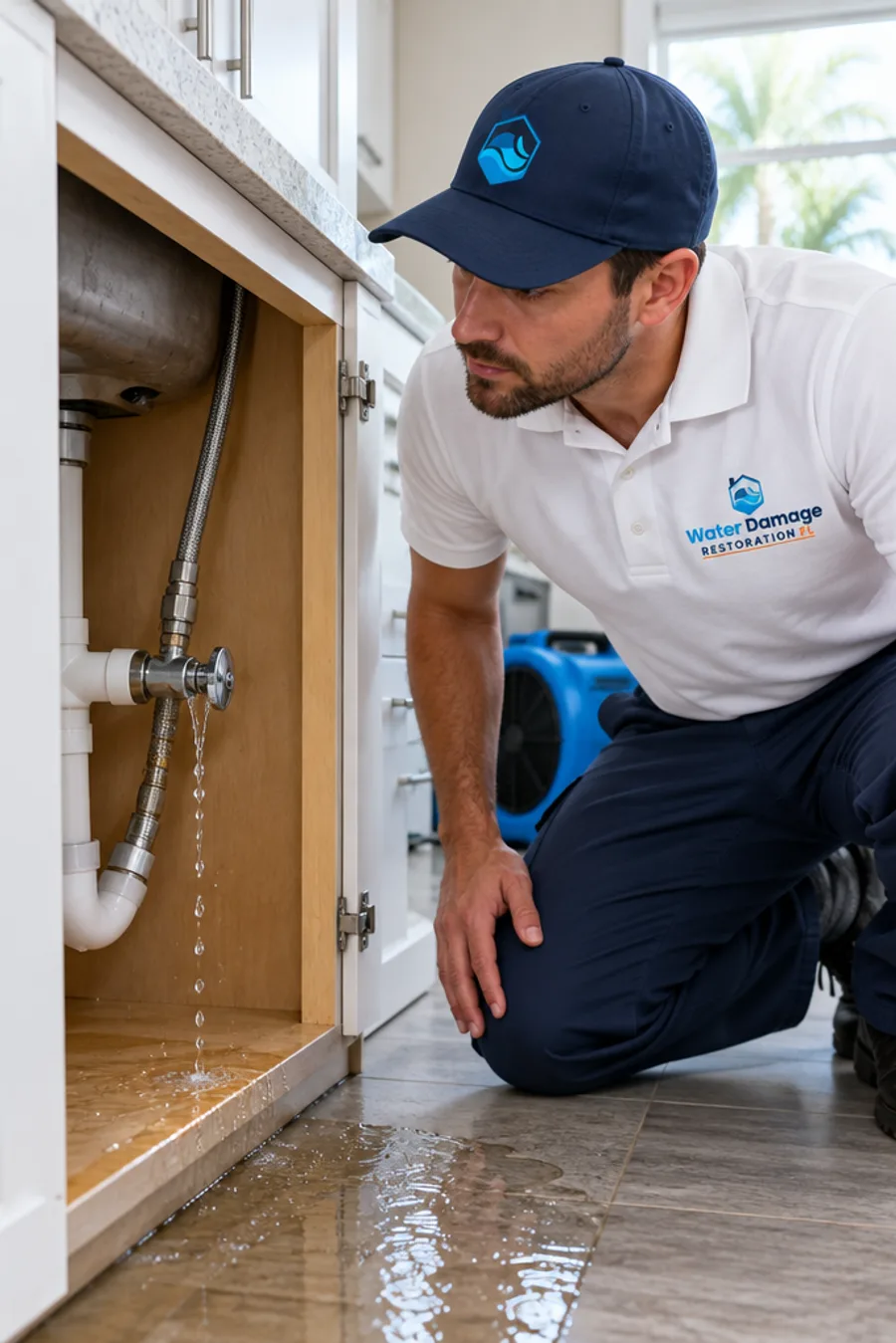
Category 1 is clean water from a sanitary source — a supply line, a faucet, a water heater's intake side, or rainwater in some cases. It poses little immediate health risk, which makes it the simplest to handle. Materials soaked by clean water can often be dried in place and saved, provided the drying happens quickly.
The catch is that Category 1 water doesn't stay clean forever. Left sitting, especially in a warm, humid environment, it degrades — picking up contaminants and bacteria until it becomes gray or even black water. Time turns a simple loss into a more serious one.
Category 2: gray water
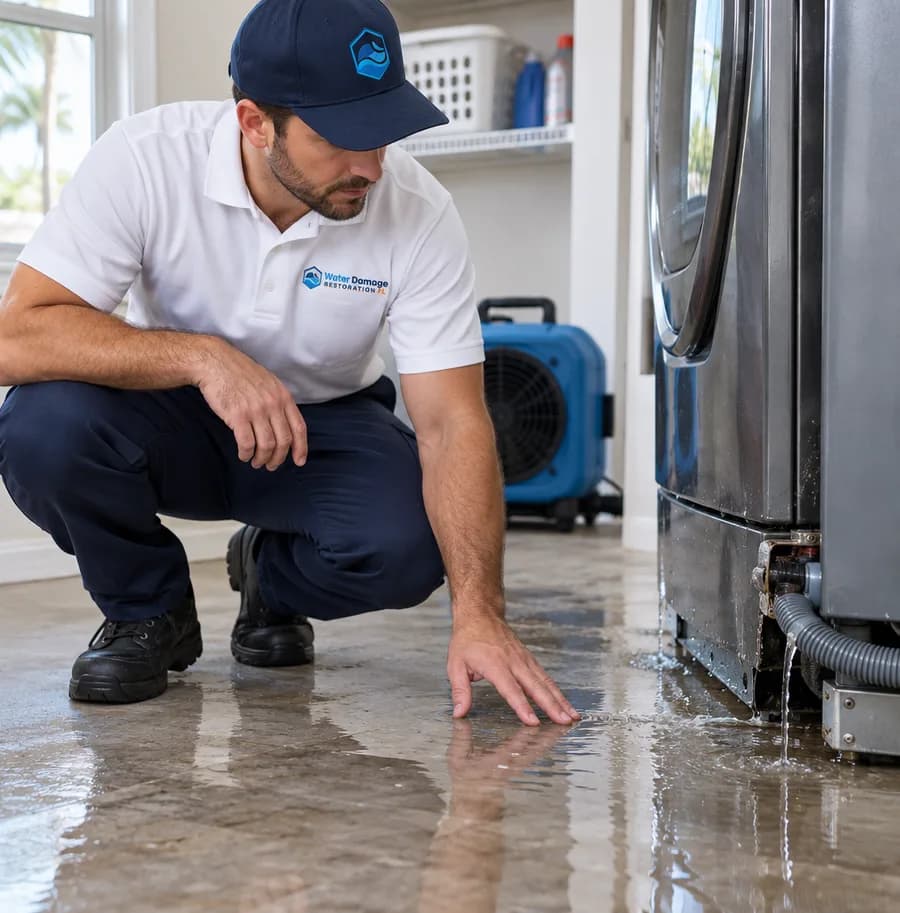
Category 2, or gray water, carries some contamination. It comes from sources like a dishwasher or washing-machine discharge, a toilet overflow that contains urine but no feces, or a sump-pump failure. It can cause illness if ingested and requires more caution than clean water.
Gray water calls for more careful handling, and some porous materials it soaks may need to be removed rather than dried. Like clean water, it also worsens over time if it isn't addressed promptly.
Category 3: black water
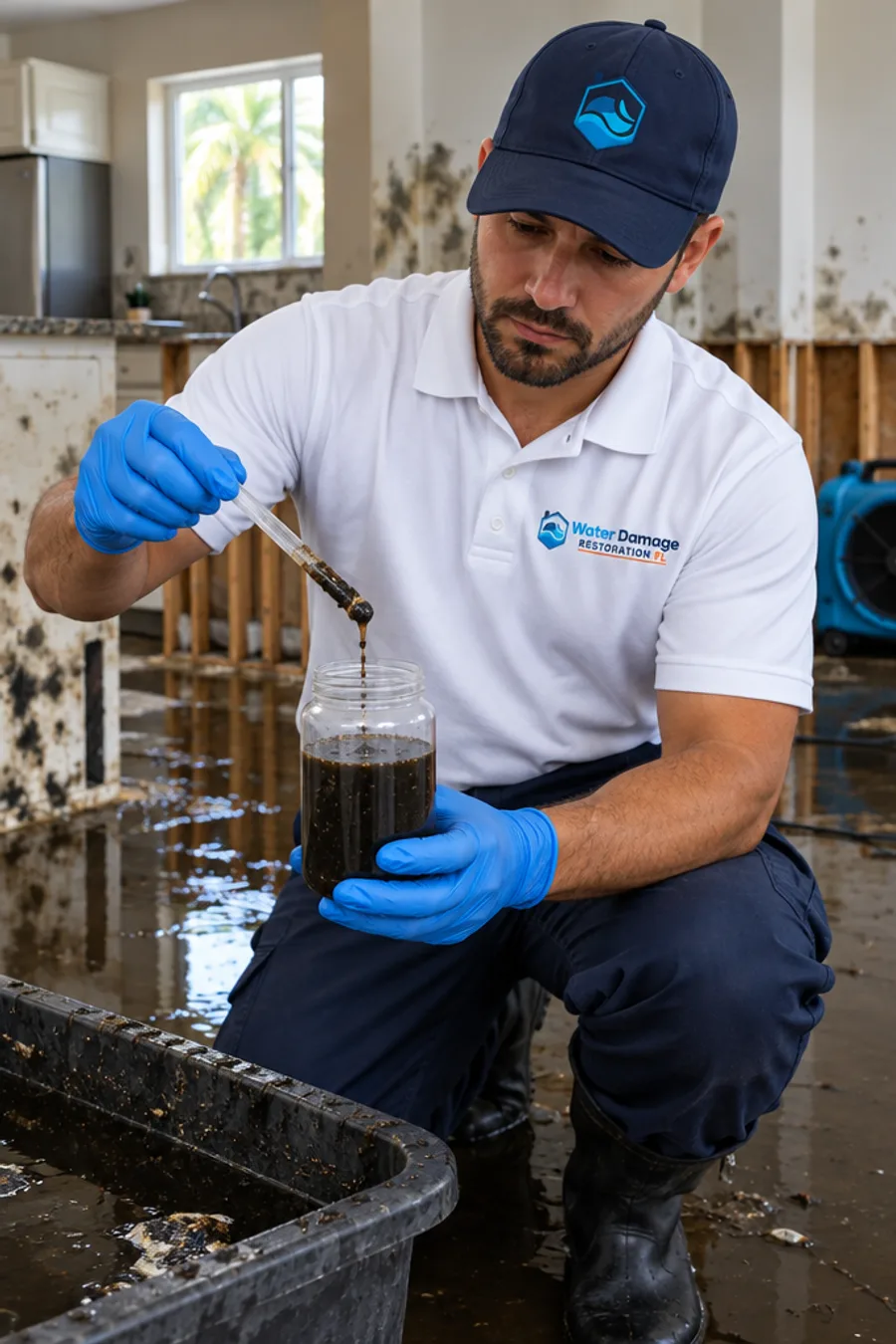
Category 3, or black water, is grossly contaminated and a genuine health hazard. It includes sewage backups, toilet overflows involving feces, and flood or storm water from outside, which can carry bacteria, chemicals, and debris. Contact with it — or breathing the aerosols disturbed during cleanup — can cause illness.
Black water requires containment, protective equipment, and the disposal of porous materials it soaked, because those can't be sanitized reliably. This is why sewage cleanup and flood damage restoration are specialized services rather than DIY jobs.
Why the category changes the cleanup
The category determines the whole approach:
- Safety — black water requires protective equipment and containment; clean water doesn't.
- What's salvageable — clean-water materials are often dried in place, while black-water porous materials are removed.
- The final step — clean water ends with drying, while contaminated water requires disinfection and often deodorizing.
- Cost — more contamination means more removal, more protection, and more labor.
The role of class alongside category
Alongside category, professionals also rate the class of damage — Class 1 through 4 — which describes how much material is wet and how deeply. Category tells you how contaminated the water is; class tells you how much drying is needed. Together they guide the drying plan, which is central to proper water damage restoration.
Why this matters for you
The practical takeaway is simple: the sooner water is addressed, the better the category stays. Clean water dealt with quickly is a manageable loss; the same water left for days can become a contaminated, more expensive one. If you're unsure what you're dealing with, treat standing water as potentially unsafe and get it assessed.
How professionals determine the category
Restoration technicians don't guess at the category — they read the situation. The source of the water is the first clue: a supply line points to Category 1, an appliance discharge to Category 2, a sewer backup or flood to Category 3. They also consider how long the water has been sitting and what it has contacted, since both can raise the category over time.
This assessment happens early, because it drives every decision that follows — what protective steps are needed, what can be cleaned versus removed, and how the space has to be treated. Getting the category right at the start is what keeps a cleanup both safe and appropriately thorough.
Why time turns clean water dirty
A crucial point people miss is that category isn't fixed — it worsens with time. Clean Category 1 water left sitting picks up contaminants from the materials it soaks, the dust and dirt around it, and microbial growth, especially in warm, humid conditions. Within a couple of days, yesterday's clean-water leak can behave like gray or even black water.
This is one of the strongest arguments for fast response. Acting quickly keeps the category low, which keeps the cleanup simpler, safer, and less expensive than it becomes once the water degrades.
What the category means for insurance
The category can also touch your insurance. Clean-water losses from sudden events are often the most straightforward claims, while contaminated-water losses — particularly sewer backups — may fall under exclusions or need specific endorsements. Regardless of category, documenting the source and the loss thoroughly gives your claim its best footing, and a restoration team that records the category and conditions provides exactly that evidence.
How each category is cleaned differently
The category doesn't just describe the water — it dictates the cleanup approach at every step:
- Category 1 — extract and dry; most materials can be saved if drying is prompt.
- Category 2 — extract, dry, and remove some porous materials; more caution and cleaning.
- Category 3 — contain the area, use protective equipment, remove porous materials, disinfect, and deodorize.
- All categories — the faster the response, the better, since water degrades to a worse category over time.
Everyday examples of each category
Grounding the categories in familiar situations makes them easier to recognize. A supply line to the fridge springing a leak, or an overflowing bathtub of clean water, is Category 1. A dishwasher or washing machine discharging, or a sump pump failing, tends to be Category 2 gray water. A toilet overflowing with waste, a sewer line backing up, or storm water rising into the home is Category 3 black water. The same appearance of 'water on the floor' can be any of the three, which is exactly why identifying the source matters before cleanup begins.
Staying safe around contaminated water
If you may be dealing with gray or black water, protect yourself:
- Avoid direct contact with the water and anything it has soaked.
- Keep children and pets away from the affected area.
- Don't track the contamination into clean parts of the home.
- Watch for electrical hazards where water meets outlets or appliances.
- Leave the removal of contaminated porous materials to professionals with protective equipment.