

Few things add stress to a water emergency like not knowing whether your insurance will help pay for it. The good news is that a lot of water damage is covered. The catch is that coverage depends heavily on how the water got there — and the distinction between a covered event and an excluded one comes down to a few key ideas.
Here's a plain-English look at what standard homeowners policies typically cover, what they usually don't, and how to protect your claim. This is general information, not policy or legal advice — your own policy and insurer have the final say.
The key distinction: sudden and accidental
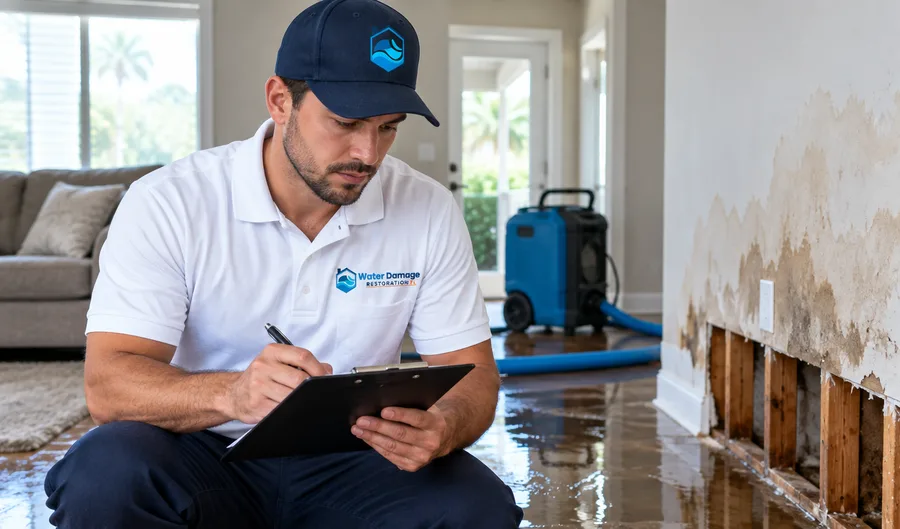
Most homeowners policies are built around damage that is sudden and accidental. A pipe that bursts without warning, a water heater that fails, a washing-machine hose that ruptures — these are the kinds of events that are commonly covered, because they're abrupt and unexpected.
By contrast, damage that develops gradually — a slow leak under a sink that's been dripping for months, or wear-and-tear on aging plumbing — is often treated as a maintenance issue and excluded. Insurers reason that the homeowner had time to notice and address it.
What's usually covered
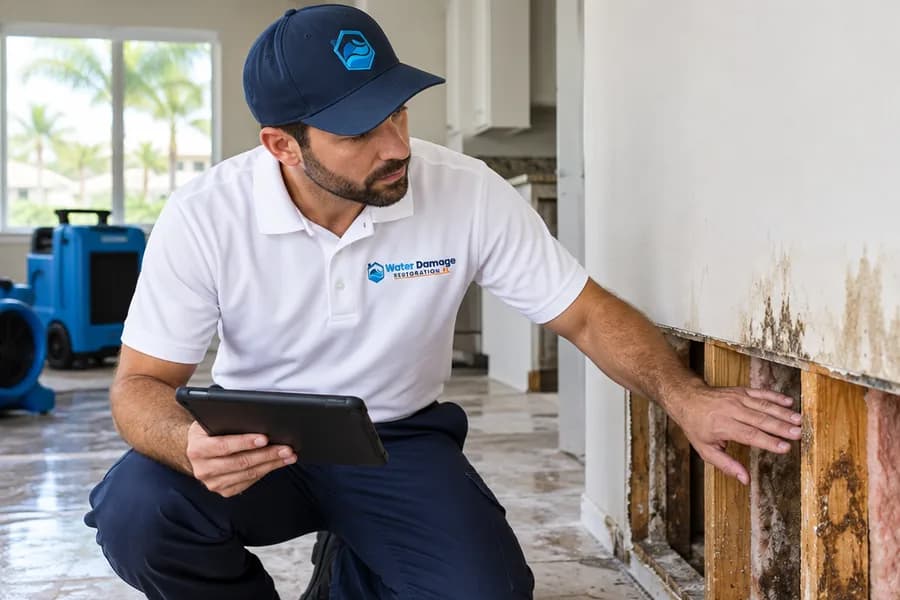
- Burst pipes and sudden plumbing failures.
- Water heater and appliance failures that happen suddenly.
- Water damage from putting out a fire.
- Accidental overflows, in many cases.
- Rain entering through storm-caused roof damage, in many policies.
What's usually not covered
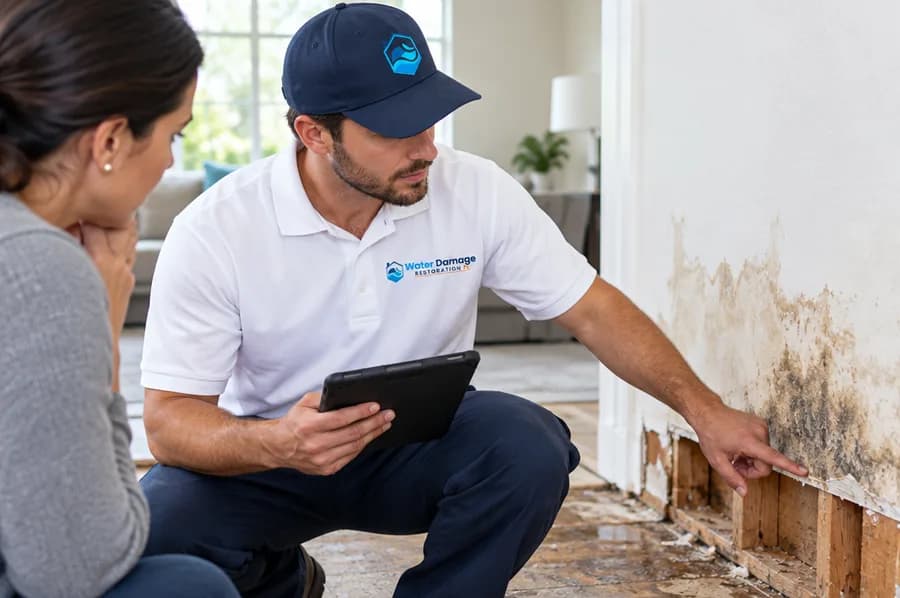
- Gradual leaks and long-term seepage treated as maintenance.
- Flooding from outside — rising water and storm surge — which typically requires separate flood insurance.
- Sewer or drain backups, unless you've added a specific backup endorsement.
- Damage from neglected repairs or lack of maintenance.
- Mold, in many cases, unless it resulted from a covered water event.
Flooding is different in Florida
This matters a great deal in a state like Florida. Damage from a burst pipe inside your home is one thing; damage from water rising into your home during a storm is another. Standard homeowners policies generally exclude flooding from outside, which is covered under separate flood insurance instead. If you're in a flood-prone area, that separate coverage is worth understanding before storm season. Our guide on what to do in the first 24 hours after a flood covers the response side.
How to give your claim the best chance
Whatever the cause, a few steps strengthen a claim:
- Act quickly to stop the water and limit further damage — policies generally expect you to take reasonable steps to prevent it from getting worse.
- Document everything with photos and video before cleanup begins.
- Keep records of the source and the timeline of what happened.
- Save damaged items for the adjuster where practical, and keep receipts.
- Work with a restoration company that documents the loss with photos and moisture readings.
When you call us for emergency water damage service across Florida, documenting the loss thoroughly from the first hour is part of the job — which gives your adjuster clear evidence of the scope of work. Coverage decisions always rest with your insurer, but good documentation removes a lot of the friction.
What about mold from the water?
Mold coverage varies widely. Mold that results from a covered, sudden water loss may be covered, while mold from a slow leak or high humidity is often excluded. Because mold can begin within 24 to 48 hours, the strongest protection is simply drying the water quickly and completely so mold never gets started. We go deeper in our post on whether insurance covers mold remediation.
A closer look at 'sudden and accidental'
Since this phrase decides so many claims, it's worth understanding how insurers apply it. 'Sudden' means the event happened abruptly rather than developing over time; 'accidental' means it wasn't expected or intended. A pipe that bursts without warning checks both boxes. A pipe that dripped for months does not — the damage accumulated gradually, so it reads as a maintenance issue the homeowner could have caught.
This is why the same end result — water damage — can be covered or denied depending entirely on how it got there and how long it took. It also explains why insurers ask detailed questions about timing and cause.
Steps that strengthen a water damage claim
Whatever the cause, a few habits make a claim go more smoothly:
- Act fast to stop the water and prevent further damage — policies expect it.
- Photograph and video everything before you clean up or remove anything.
- Keep a record of when you discovered the damage and what caused it.
- Save damaged items and receipts where practical for the adjuster.
- Use a restoration company that documents the loss with photos and moisture readings.
What to do if your claim is denied
A denial isn't always the end of the road. Ask for the specific reason in writing, and review your policy language against it. If the denial rests on a cause determination you disagree with — say, the insurer calls a sudden failure a gradual one — documentation of the timeline and cause becomes crucial. You can request a re-review, provide additional evidence, or in some cases involve a public adjuster. Thorough records from day one are what give you something to stand on.
Common scenarios and how coverage tends to work
It helps to see how the sudden-vs-gradual principle plays out in real situations. These are general patterns, not guarantees — your policy and insurer decide:
- A pipe bursts and floods a room — typically covered as sudden and accidental.
- A water heater suddenly fails — usually covered, though the heater itself may not be.
- A slow under-sink leak found months later — often excluded as gradual/maintenance.
- Storm surge or rising water enters — generally needs separate flood insurance.
- A sewer backup — commonly excluded unless you carry a backup endorsement.
- Rain through a storm-damaged roof — often covered under the homeowners policy.
The role of your deductible
Even when a loss is covered, you're responsible for your deductible before coverage kicks in. For a small loss, the repair cost may be close to or below the deductible, meaning a claim isn't worth filing. For a larger loss, the deductible is a small fraction of the total. It's worth knowing your deductible before an emergency, so you can weigh whether to file — and remember that some policies have separate, higher deductibles for certain causes like windstorms.
Working with the adjuster
After you file, an insurance adjuster assesses the loss to determine coverage and value. You can make this go smoothly by having your documentation ready, being present for the inspection, and letting your restoration company communicate directly with the adjuster about the scope of work. Restoration crews and adjusters speak the same language of categories, classes, and moisture readings, and that shared documentation reduces back-and-forth. You're also within your rights to ask questions and seek clarification on any part of the determination you don't understand.