
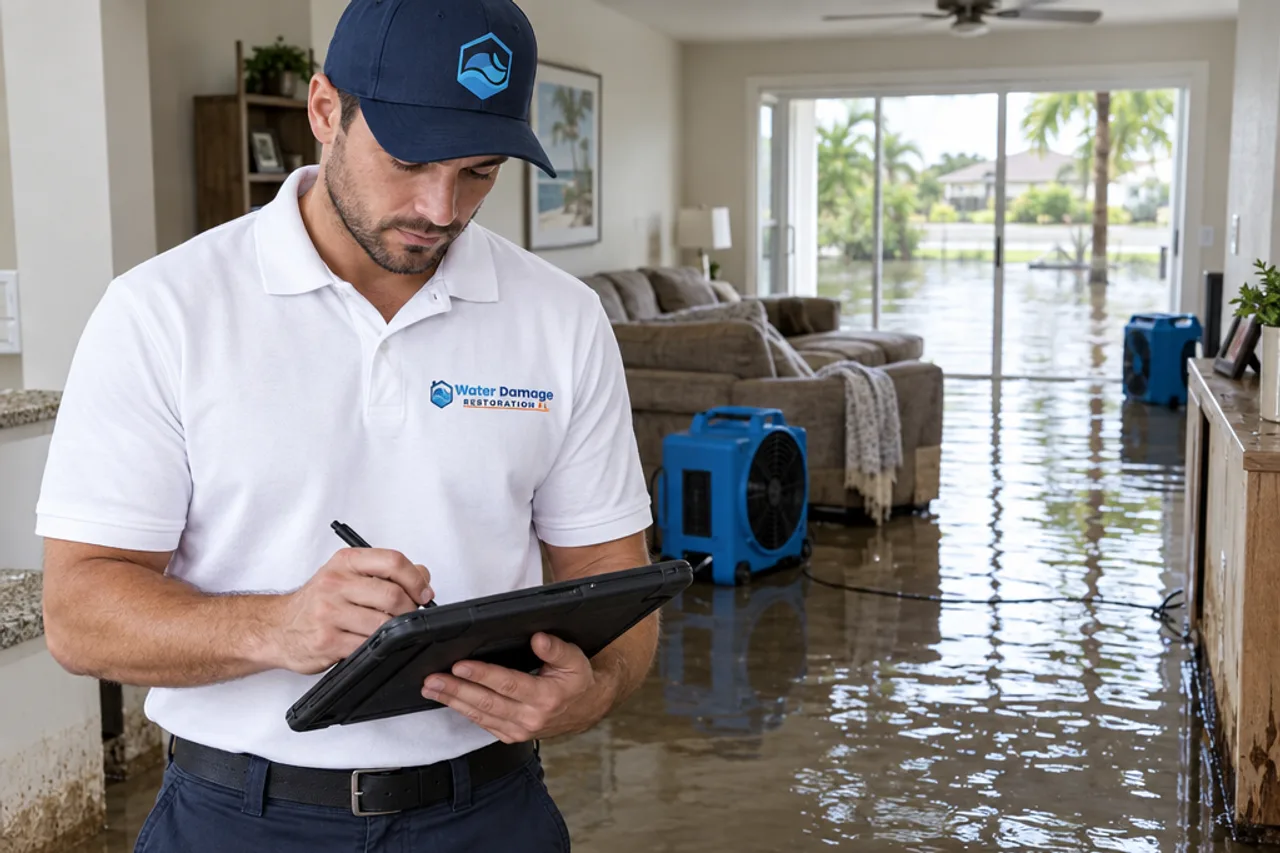
The first 24 hours after a flood set the tone for everything that follows. What you do — and don't do — in that window affects how much can be saved, how much it costs, and, most importantly, whether anyone gets hurt. Flooding is different from an indoor leak because the water is usually contaminated and often widespread, so the priorities shift toward safety first.
Prioritize safety before cleanup
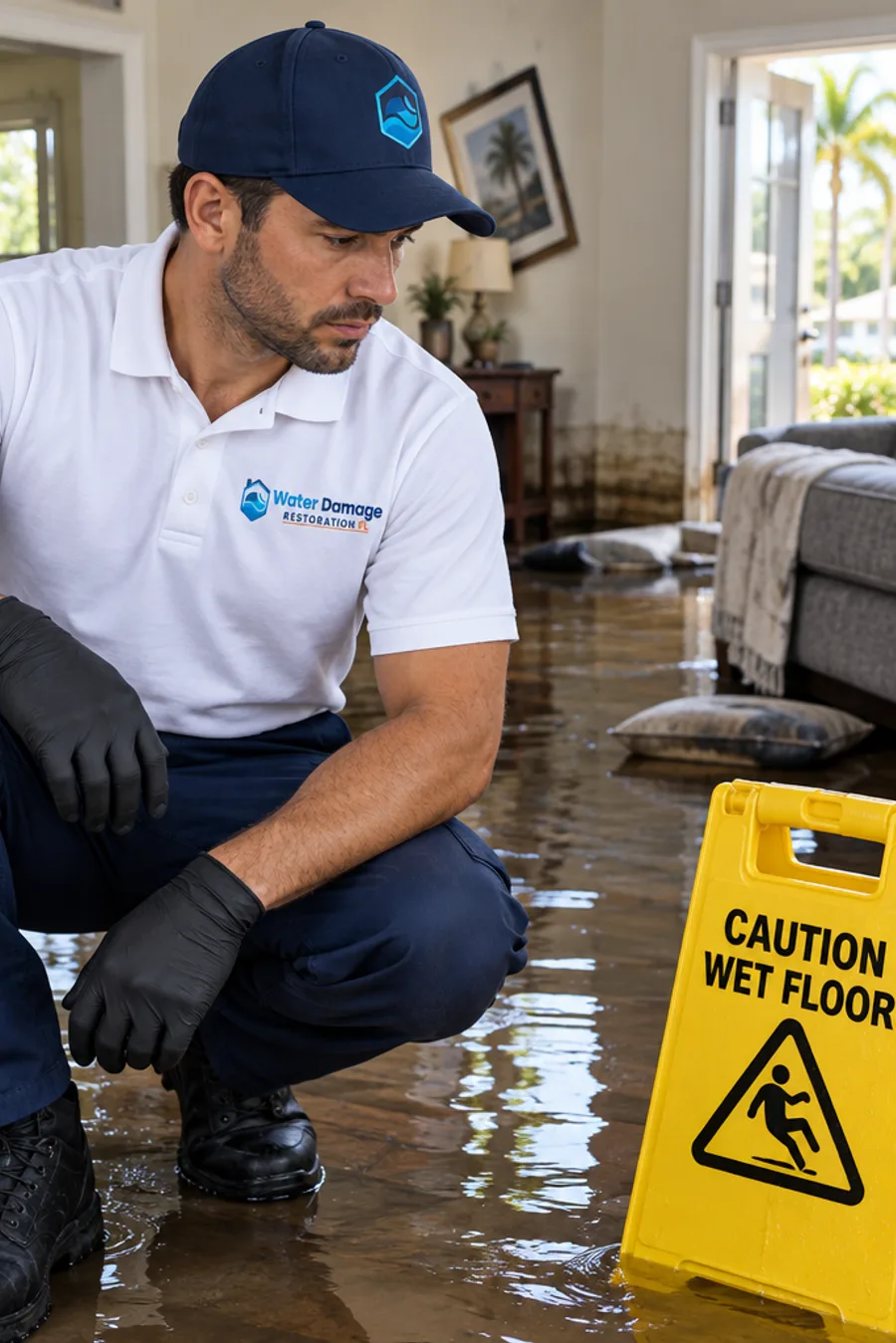
It's tempting to start salvaging right away, but floodwater carries real hazards. Before anything else:
- Don't enter standing water if it may be in contact with electrical outlets, appliances, or the panel — cut the power first if it's safe to reach.
- Treat floodwater as contaminated; it often carries bacteria and sewage. Avoid contact, and keep children and pets away.
- Watch for structural hazards, gas leaks, and unstable footing.
- If the flooding is severe or you're unsure it's safe, wait for professionals.
Document everything for your claim
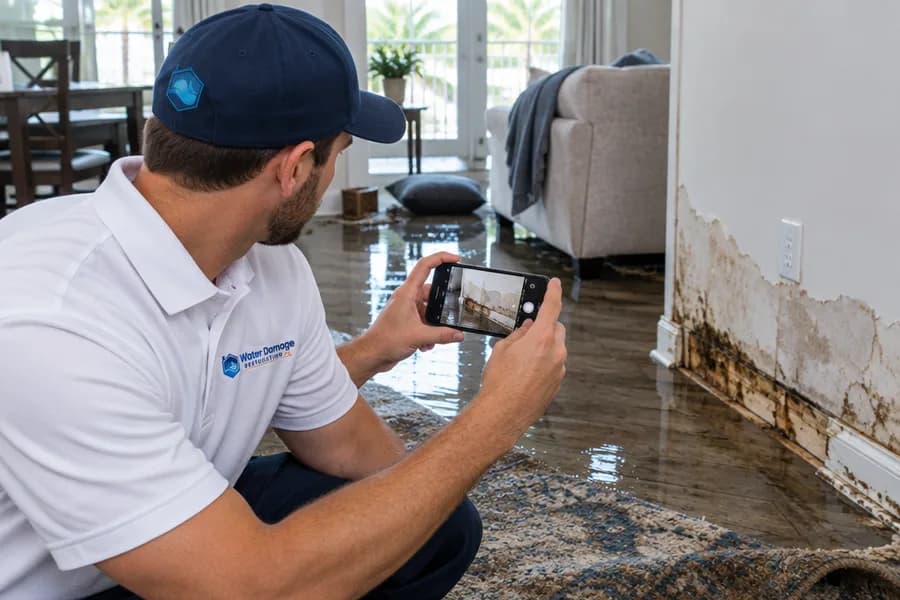
Before you move or remove anything, document the damage thoroughly with photos and video. Capture the water level, affected rooms, and damaged belongings. This record matters because flood claims can be detailed, and coverage often depends on the source of the water. Keep in mind that flooding from outside typically requires separate flood insurance — our guide on whether homeowners insurance covers water damage explains the distinction.
Stop more water from coming in
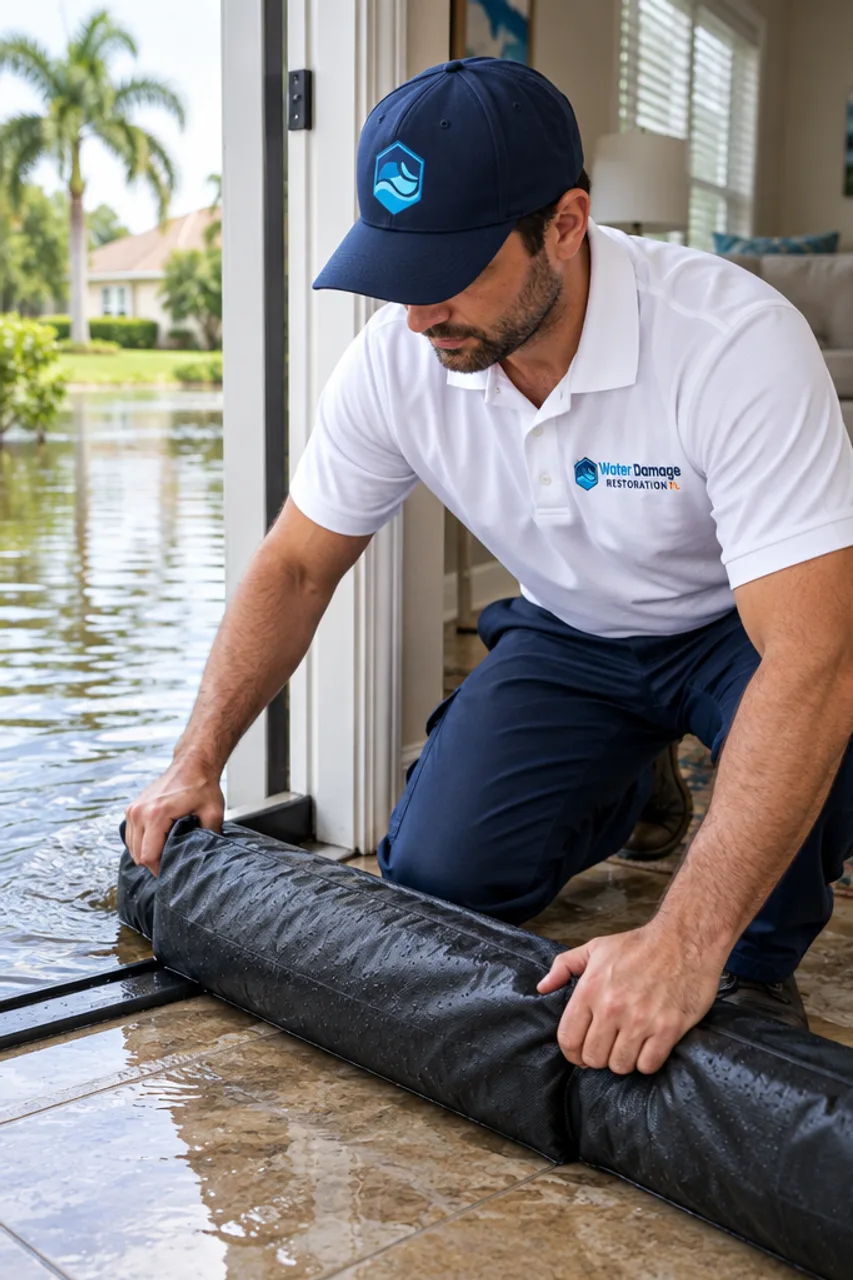
If the flooding is ongoing — from a roof leak, a failed sump pump, or water still entering — do what you safely can to slow it. Once the immediate source is under control, the goal shifts to getting the water out and the structure dry before mold and contamination spread.
Start removing water and contaminated materials
Floodwater needs to come out fast, but it needs to come out safely. Because it's usually contaminated, porous materials it soaked — carpet, pad, the lower portion of drywall, insulation — generally can't be sanitized and have to be removed. This isn't a job to improvise with household tools and no protection. Professional flood damage restoration handles the water and contaminated materials with the right equipment, then cleans, sanitizes, and dries the structure.
What to save and what to let go
In the first day, sort quickly: hard, non-porous items that can be cleaned and disinfected are worth saving; porous belongings soaked by contaminated water usually aren't. It's hard to part with things, but keeping contaminated porous items risks health hazards and lingering odor. Document them first, then let them go.
Why speed matters most
Everything in that first 24 hours comes back to one fact: water damage worsens by the hour, and mold can begin within 24 to 48 hours — faster in Florida's heat and humidity. The faster the water and contaminated materials are removed and the structure is dried, the more of your property can be saved and the lower the chance of a mold problem on top of the flood.
If a flood has affected your home or business, getting a crew on site quickly is the single best thing you can do. Our team responds around the clock for emergency water and flood situations across Florida.
A first-24-hours flood checklist
When the adrenaline is high, a simple checklist helps you focus on what matters, in order:
- Make sure it's safe — stay out of water near electrical sources, and treat floodwater as contaminated.
- Stop any ongoing water intrusion if you safely can.
- Document everything with photos and video before moving anything.
- Move salvageable valuables to a dry, safe area.
- Call for professional flood restoration.
- Start sorting what's clearly a loss from what might be saved.
Protecting your health during flood cleanup
Because floodwater is usually contaminated, health comes before property. Avoid direct contact with the water and anything it soaked, keep children and pets well away, and don't stir up or track the contamination through clean parts of the home. Breathing the aerosols disturbed during cleanup can also be a risk, which is part of why contaminated porous materials are best removed by crews with proper protective equipment rather than cleaned by hand.
Dealing with insurance after a flood
Flood claims can be detailed, and the source of the water matters — flooding from outside typically falls under separate flood insurance, not a standard homeowners policy. Report the loss to your insurer promptly, provide the documentation you gathered, and keep a record of the restoration work, including moisture readings. Even if coverage is uncertain, thorough evidence of the loss and a prompt, reasonable response on your part put you in the strongest position.
What to salvage and what to discard
One of the hardest parts of the first day is deciding what stays and what goes. With contaminated floodwater, the guideline is clear:
- Usually salvageable — sealed hard flooring, tile, metal, glass, and solid non-porous items that can be cleaned and disinfected.
- Usually a loss — carpet and pad, mattresses, upholstered furniture, and other porous items soaked by contaminated water.
- Case by case — documents, photos, and valuables, which specialists can sometimes save.
- When in doubt with contaminated water — document it, then let it go rather than risk keeping a health hazard.
Documenting the loss thoroughly
Good documentation protects your claim, so take a few minutes for it before cleanup:
- Photograph and video every affected room and the high-water line.
- Capture damaged belongings individually where you can.
- Note the date, the source of the water, and your response.
- Keep receipts for any emergency purchases or repairs.
- Save the restoration company's reports and moisture readings.
When to call for professional help
A small, clean-water spill you catch immediately may be manageable yourself. But a flood is usually the opposite: contaminated water, a large affected area, and a short window before mold. Call for professional flood restoration when the water is or may be contaminated, when a significant area is affected, when materials are saturated, or when you simply want to be sure the structure — including what you can't see — is properly cleaned and dried. In those cases, professional help isn't just convenience; it's how the job gets done safely and completely.