
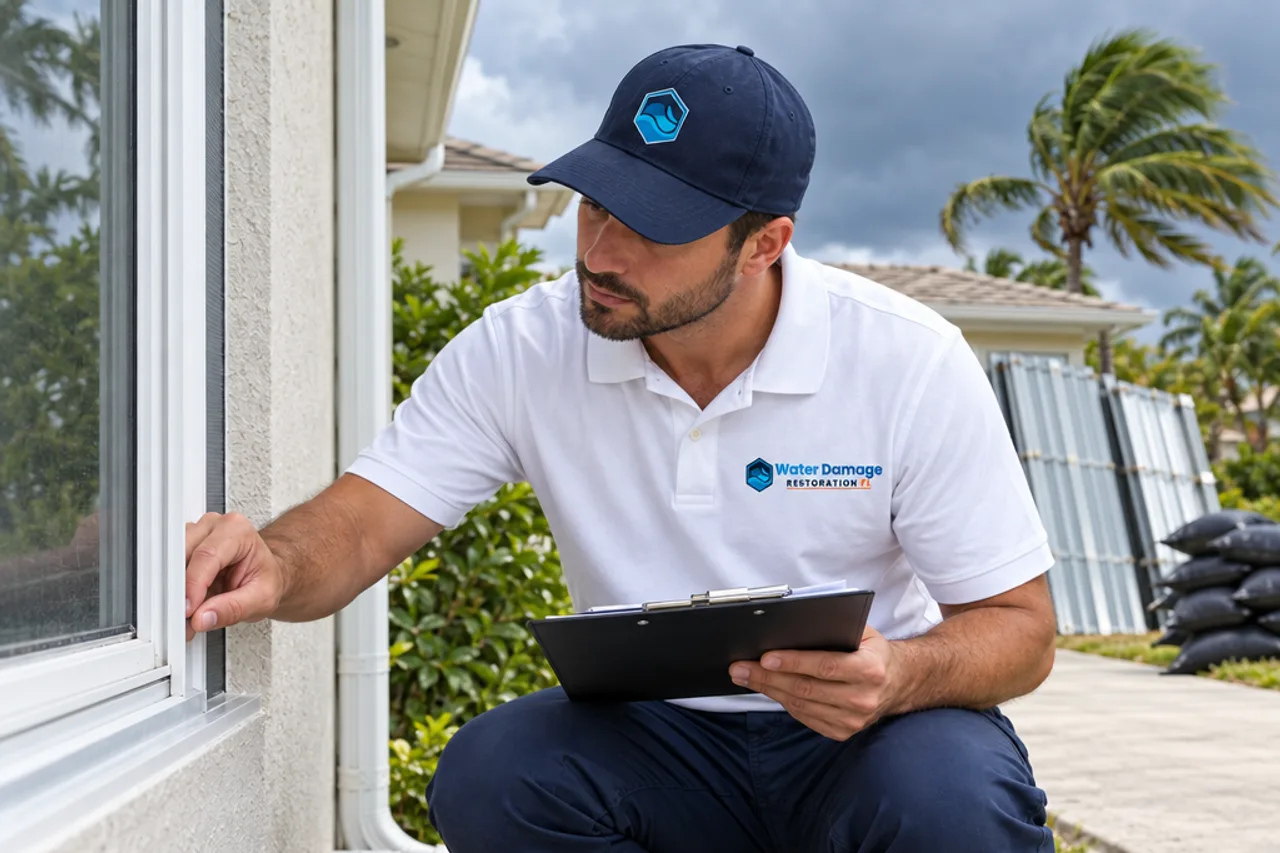
In Florida, storm season isn't a question of if but when. A little preparation before severe weather arrives can dramatically reduce both the damage to your property and the cleanup that follows. Here's a practical checklist to work through before the next storm.
Check the roof and exterior
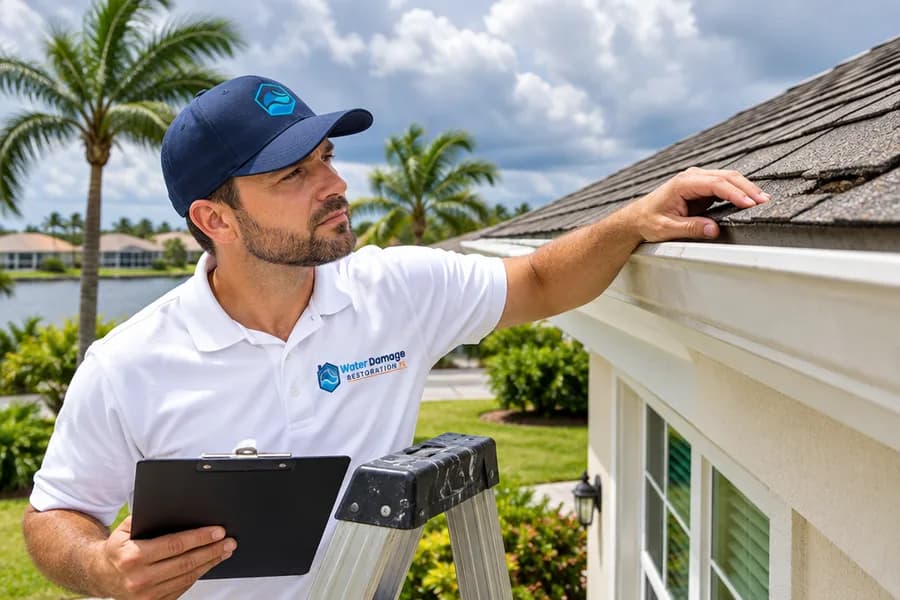
Before storm season arrives, walk the exterior of your property and look for loose shingles, damaged flashing, or clogged gutters that could let water in during heavy rain. The roof is the first line of defense, and small flaws become big leaks under wind-driven rain.
Clear the way for water to drain
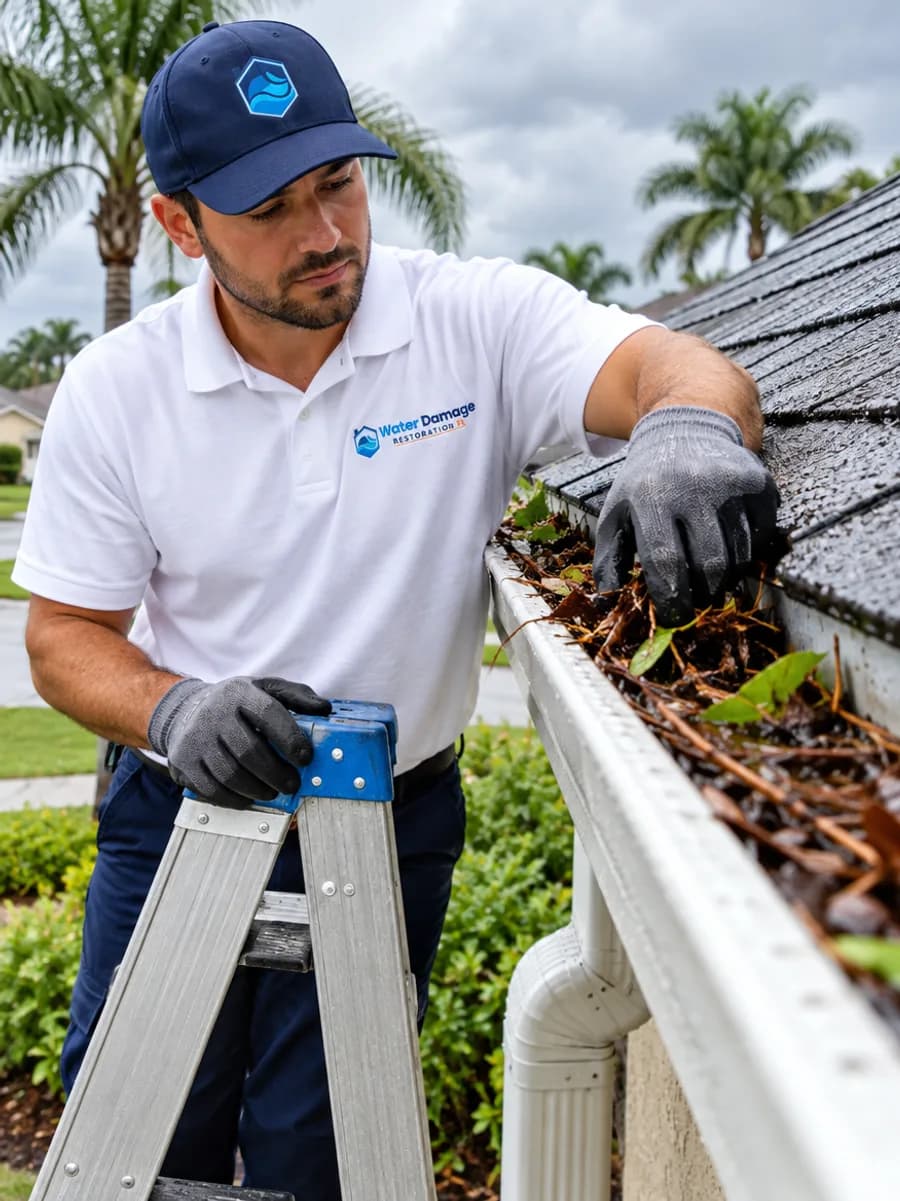
Keep gutters and downspouts clear so water drains away from the house, and make sure the ground slopes away from the foundation. If you have a sump pump, test it before you need it — a sump pump failure during a storm is a common cause of basement flooding.
Secure the surroundings
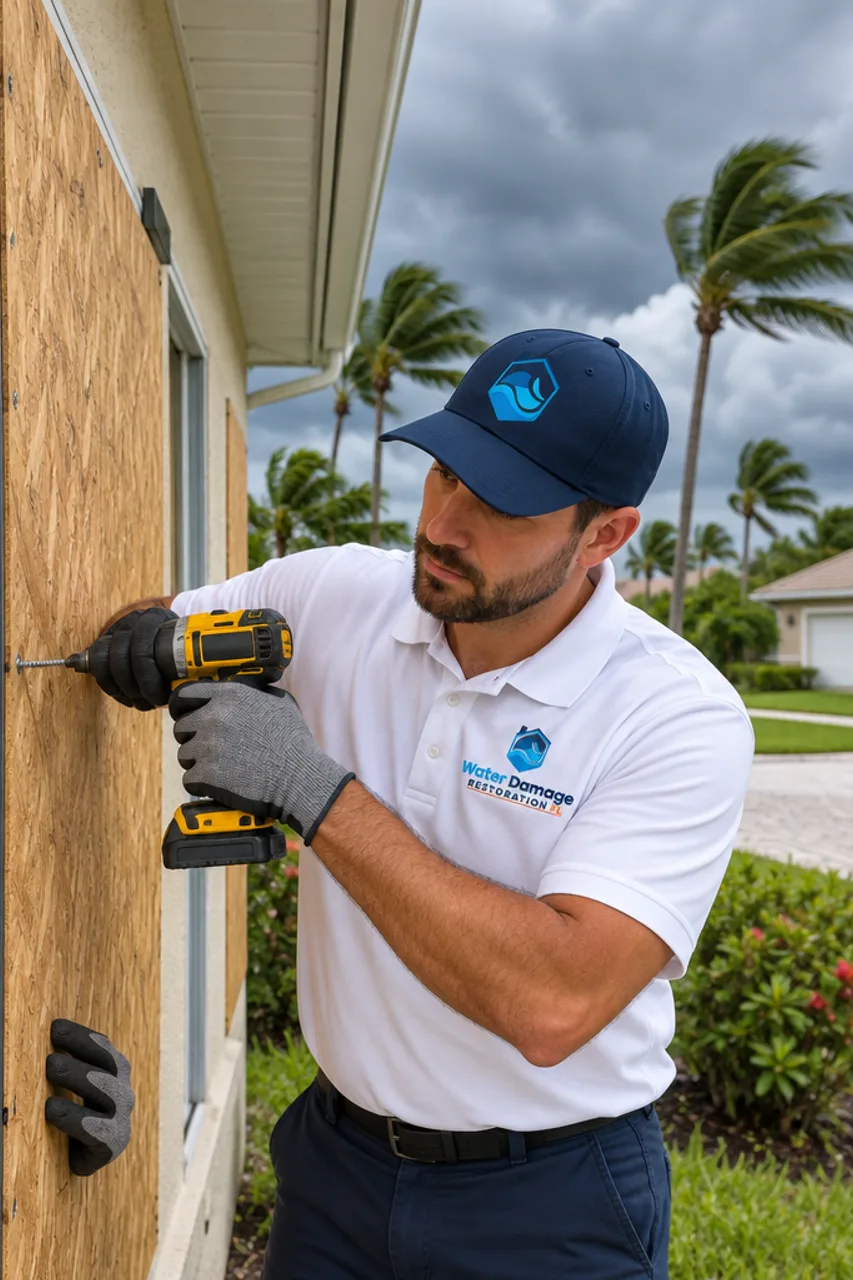
Trim back tree branches near the roofline and secure or store outdoor items that could become projectiles in high winds. These simple steps prevent a lot of storm-caused damage before it starts.
Have a response plan ready
Keep your insurance information and an emergency contact for a restoration company on hand. Remember that flooding from outside typically requires separate flood insurance — our guide on whether insurance covers water damage explains the distinction.
If storm water gets in anyway
Even with good preparation, storms sometimes win. If water intrusion does occur, quick action on tarping and drying can prevent a much larger repair down the line. Professional flood damage restoration handles storm water safely — removing it, drying the structure, and repairing the damage before mold sets in.
A pre-storm preparation checklist
As storm season approaches, working through a checklist turns good intentions into real protection:
- Inspect the roof and repair loose shingles or failing flashing.
- Clear gutters and downspouts so water drains away from the house.
- Confirm the ground slopes away from the foundation.
- Test your sump pump, if you have one.
- Trim tree branches near the roofline.
- Secure or store outdoor items that could become projectiles.
- Keep insurance info and a restoration contact somewhere easy to find.
What to do during and right after a storm
When a storm hits, stay clear of windows and don't venture into flooded areas, which can hide electrical and other hazards. Afterward, once it's safe, walk the property and look for signs of water intrusion — damp ceilings, wet walls, pooling water, or roof damage. Document anything you find with photos before you start cleaning up, since that record supports an insurance claim. If water has gotten in, resist the urge to wait and see whether it dries on its own.
Why fast post-storm action matters
The hours after storm water enters a home are decisive. Water keeps soaking into the structure, and mold can begin within 24 to 48 hours — faster in Florida's heat and humidity. Quick action on temporary measures like tarping a roof and starting to remove and dry water prevents a much larger, costlier repair down the line. Because severe weather affects many properties at once, having a local restoration contact ready means you're not waiting days for help while the damage compounds.
Protecting the inside of your home
Storm preparation isn't only about the exterior — a few interior steps limit damage if water does get in. Move valuables, electronics, and important documents away from floor level and windows, ideally to a higher floor or a waterproof container. Know where your main water shut-off is in case of storm-related plumbing damage. If flooding is a real risk, consider elevating or relocating furniture in vulnerable ground-floor rooms. These small measures can save irreplaceable items and reduce the cleanup if the storm brings water inside.
Assembling a storm emergency kit
Having supplies ready before a storm makes both riding it out and responding afterward easier:
- Water, non-perishable food, and any needed medications.
- Flashlights, batteries, and a portable phone charger.
- A battery or hand-crank radio for updates.
- Basic tools, a tarp, and plastic sheeting for temporary repairs.
- Copies of insurance information and important documents in a waterproof bag.
- The contact number for a restoration company that offers emergency service.
After the storm: a damage-check checklist
Once it's safe to move around, a systematic check catches water intrusion early:
- Scan ceilings and upper walls for stains, sagging, or damp spots.
- Check the attic for leaks, damp insulation, and daylight through the roof.
- Look for pooling water and dampness at floor level and around doors and windows.
- Inspect the roof exterior (from the ground) for missing shingles or damage.
- Document anything you find with photos before cleaning up.
- Call for professional restoration if water has gotten in.
Why flood insurance matters in Florida
One preparation step is easy to overlook until it's too late: understanding your coverage. Standard homeowners policies generally exclude flooding from outside — rising water and storm surge — which is exactly the kind of damage Florida storms cause. That coverage comes from separate flood insurance, and it typically has a waiting period before it takes effect, so it can't be bought at the last minute before a storm. Reviewing your policies well ahead of storm season, and adding flood coverage if you're at risk, is part of preparing the property, not just the structure itself.