
Mold coverage is one of the murkier corners of homeowners insurance, and the answer to 'is it covered?' is a frustrating 'it depends.' What it depends on, mostly, is why the mold grew — and that single factor decides many claims. Here's how to think about it, keeping in mind that your own policy and insurer make the final call.
The cause of the moisture is everything
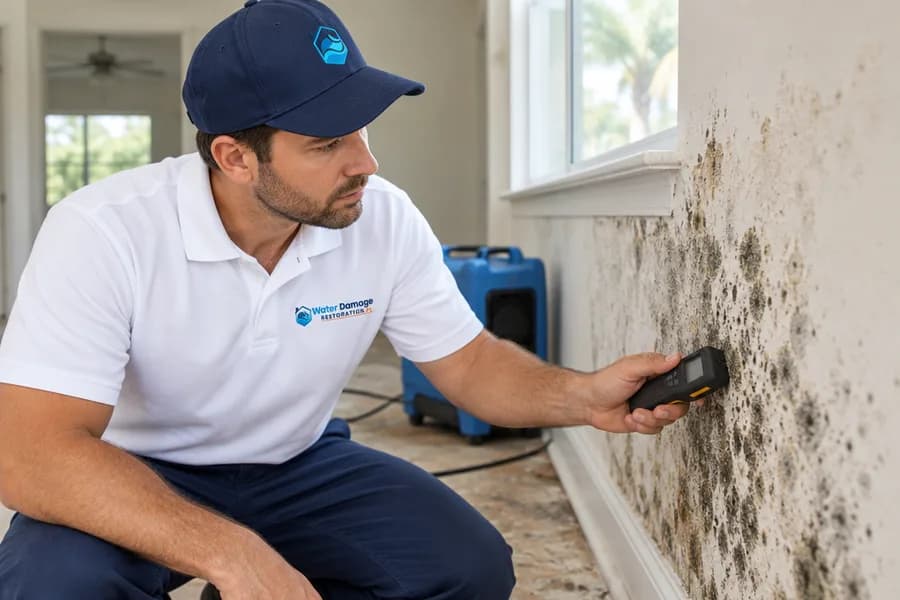
Insurers generally look at the source of the moisture that caused the mold. If the mold grew because of a covered, sudden event — say a burst pipe that wasn't dried in time — the mold cleanup may be covered as part of that loss. If the mold grew because of a gradual leak, ongoing condensation, or high humidity that went unaddressed, it's often excluded as a maintenance issue.
In other words, mold is usually treated as a consequence, and its coverage follows the coverage of whatever caused it.
When mold is more likely to be covered
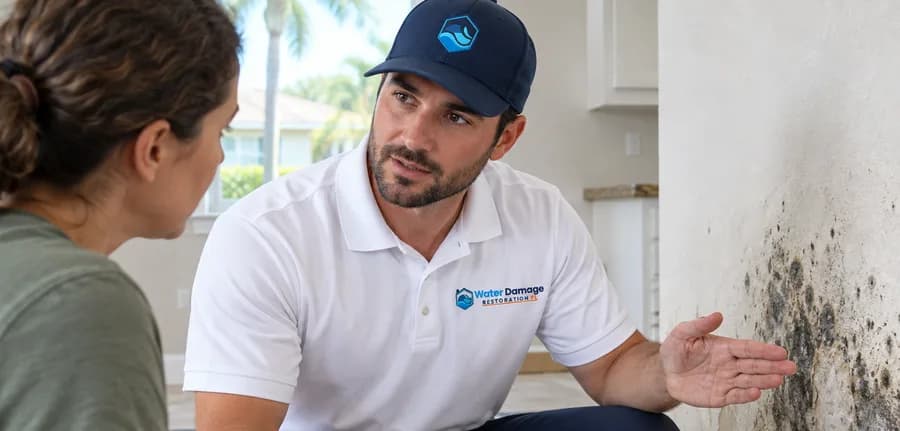
- It resulted from a sudden, accidental, covered water event like a burst pipe.
- You acted quickly to dry the water and limit the damage.
- You have documentation showing the cause and timeline.
- Your policy includes mold coverage or a specific endorsement.
When mold is likely excluded
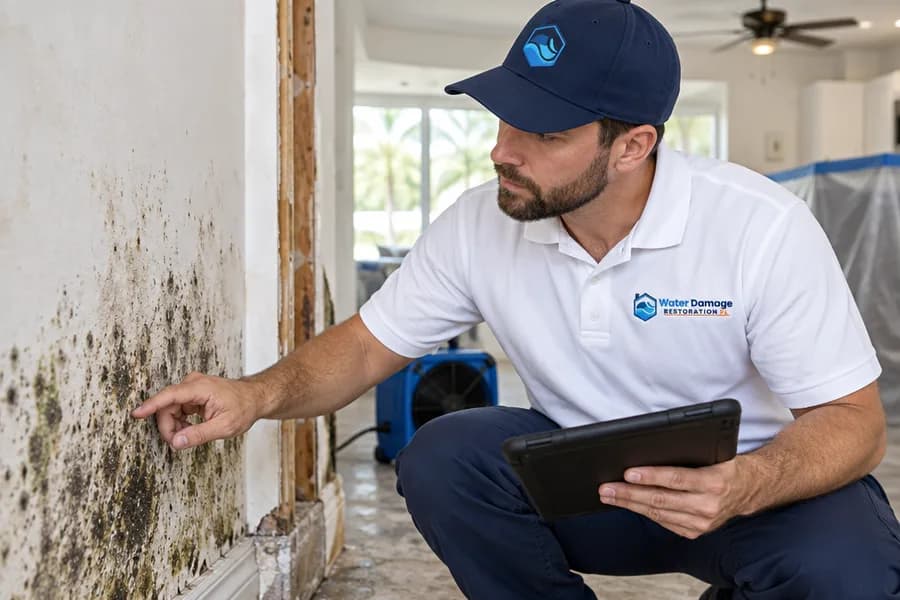
- It grew from a slow, long-term leak that wasn't addressed.
- It's the result of humidity or condensation rather than a specific event.
- It came from flooding, which needs separate flood insurance.
- The moisture problem is considered a maintenance issue.
Coverage caps and endorsements
Even when mold is covered, many policies cap the amount they'll pay for mold specifically — sometimes at a figure well below the cost of a large remediation. Some homeowners add a mold endorsement for higher limits. It's worth checking your policy's mold provisions before you need them, not after.
The best protection is prevention
Because coverage is uncertain and often capped, the strongest position is to never give mold the chance to grow. Mold needs moisture and can begin within 24 to 48 hours, so drying water damage quickly and completely is the real defense. When you address a leak or flood promptly with proper drying and dehumidification, mold usually never starts — which sidesteps the coverage question entirely.
If mold has already appeared, addressing it early keeps it contained and less costly. Our mold remediation team across Florida removes the mold and corrects the moisture source, and documents the loss thoroughly to support whatever claim applies.
Why insurers scrutinize mold claims
Mold claims get extra attention from insurers, and understanding why helps you approach one realistically. Mold sits at the intersection of two things policies tend to exclude: gradual damage and maintenance issues. Because mold grows over time and usually points to a moisture problem that existed for a while, insurers look closely at whether it stems from a covered sudden event or from a condition the homeowner should have addressed.
That scrutiny is also why the paperwork matters so much. A clear link between the mold and a covered water loss — backed by documentation — is what moves a mold claim from 'excluded maintenance' to 'consequence of a covered event.'
How to document a mold claim
If mold follows a water loss, good documentation gives your claim its best footing:
- Record the original water event — its cause, date, and your response.
- Photograph the mold and the affected materials before removal.
- Keep the moisture readings and reports from the restoration work.
- Show that you acted promptly to dry the water and limit the damage.
Prevention is the smartest coverage
Because mold coverage is uncertain and often capped, the strongest position is to never let mold grow. Mold needs moisture and can begin within 24 to 48 hours, so drying water damage quickly and completely is the real protection — it sidesteps the coverage question entirely. Think of fast, thorough drying as the insurance policy that always pays out: no mold, no claim, no cap to worry about.
When mold coverage commonly applies
While every policy differs, mold coverage tends to follow a few recognizable patterns. It's more likely to be covered when:
- The mold resulted directly from a sudden, covered water loss like a burst pipe.
- You acted quickly to dry the water and limit the damage.
- You have clear documentation linking the mold to the covered event.
- Your policy includes mold coverage or a specific endorsement.
It's more likely to be excluded when the mold grew from a slow leak, ongoing humidity, or flooding, or when the moisture problem looks like deferred maintenance.
Reading your policy's mold provisions
Rather than assume, it's worth actually reading the mold section of your policy before you need it. Look for whether mold is covered at all, whether there's a specific dollar cap for mold (often lower than other coverage), and whether a covered peril is required to trigger it. If the coverage seems thin, ask your insurer about a mold endorsement. Understanding these provisions in advance means no unpleasant surprises during an already stressful situation.
Steps to take before you ever file
The groundwork you lay before a mold problem shapes any future claim:
- Address leaks and water damage promptly and keep records that you did.
- Dry water losses completely — the best defense against mold and claim disputes alike.
- Photograph any water event and your response to it.
- Know your policy's mold provisions and cap.
- Keep documentation from any professional drying or restoration work.