
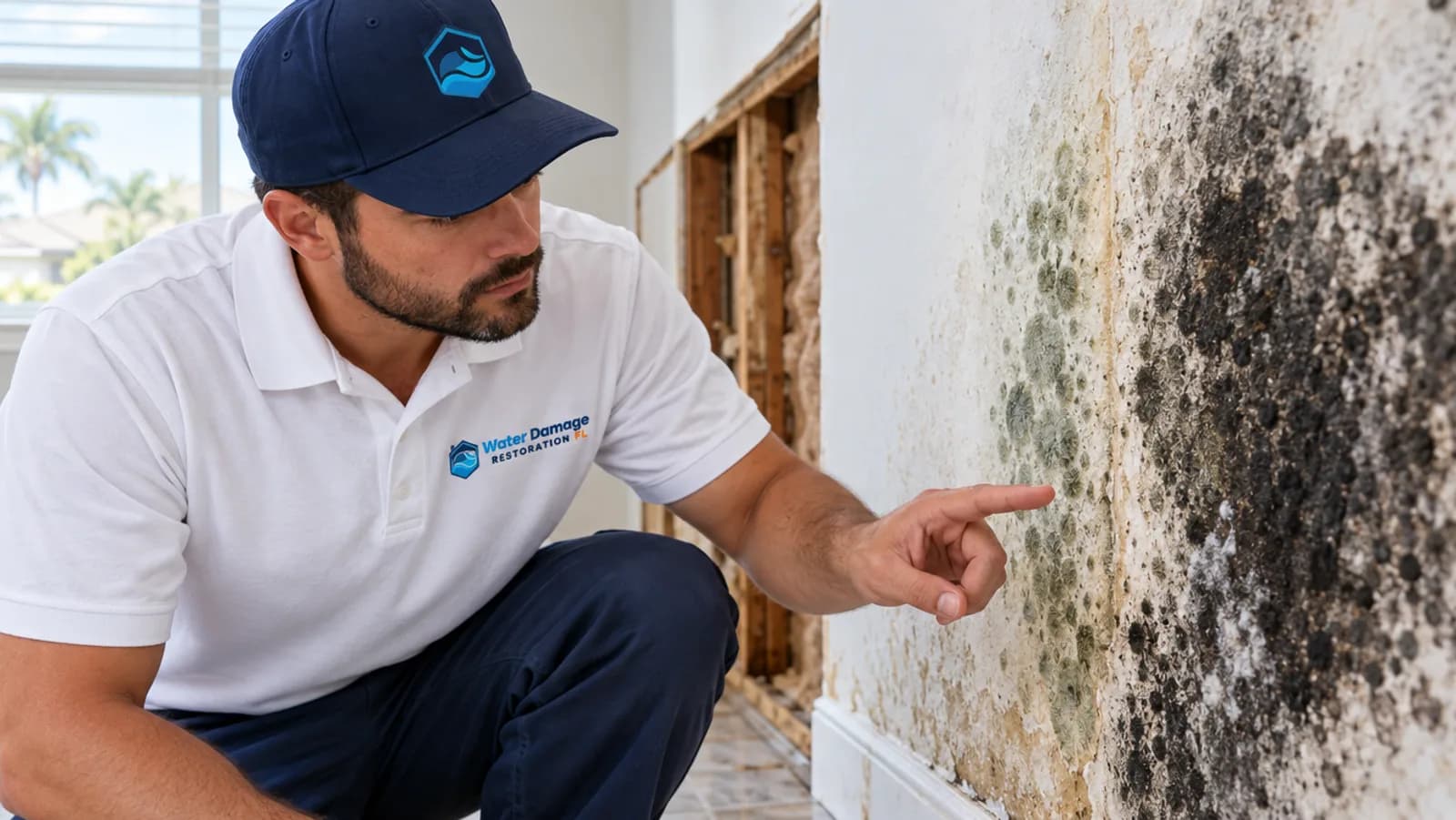
"Black mold" is one of the most searched — and most misunderstood — terms in home maintenance. People often assume dark mold is the dangerous kind and lighter mold is harmless, but the reality is more nuanced. Here's a clear look at what black mold actually means, why color is a poor guide, and what genuinely matters when you find mold in your home.
What people mean by 'black mold'
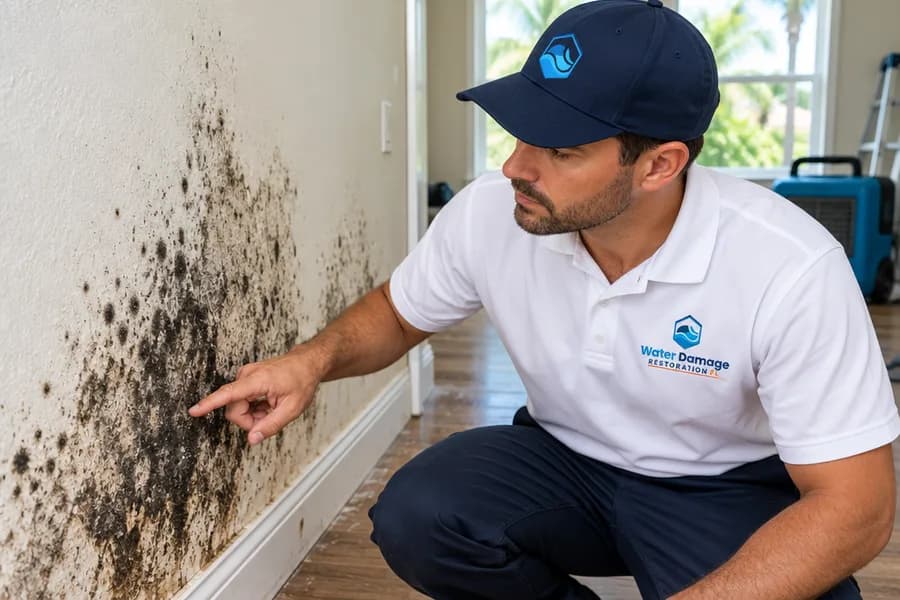
'Black mold' is a common name for dark-colored mold growth, often associated with one particular species. But many molds appear dark, and many species can look black, green, gray, or brown depending on the surface and conditions. Color alone doesn't reliably identify a species or its risk.
This is why restoration professionals don't get hung up on color. What matters is that any significant indoor mold growth should be removed safely, regardless of what shade it is.
Why color isn't the right focus
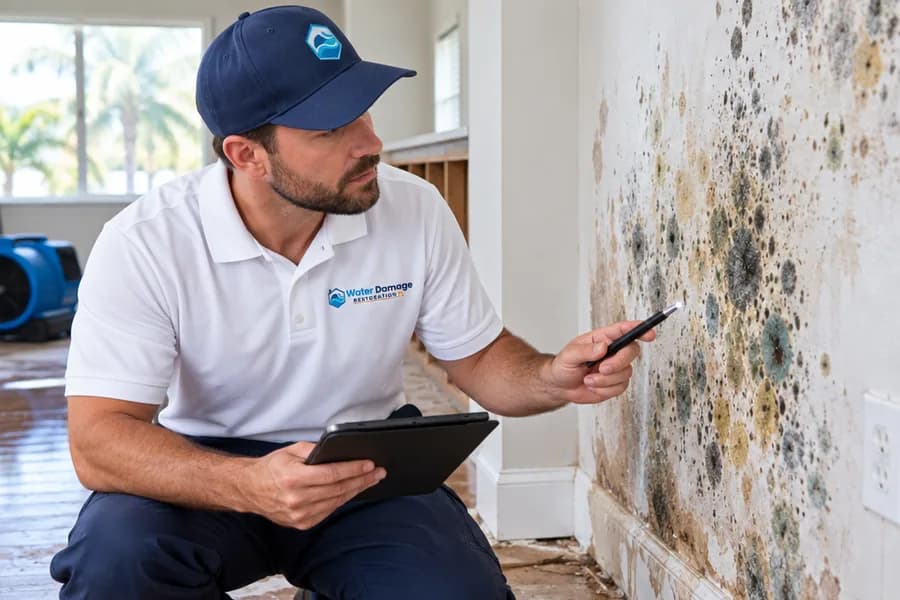
Focusing on color leads people astray in two directions: assuming dark mold is automatically a catastrophe, or dismissing lighter mold as harmless. Neither is a safe assumption. The sensible approach is to treat visible mold growth as something to address — contained, removed, and traced to its moisture source — no matter its appearance.
If you're concerned about health effects from mold exposure, that's a question for a doctor, not a restoration company. What we can speak to is removing the growth and fixing the moisture behind it.
What actually matters with mold
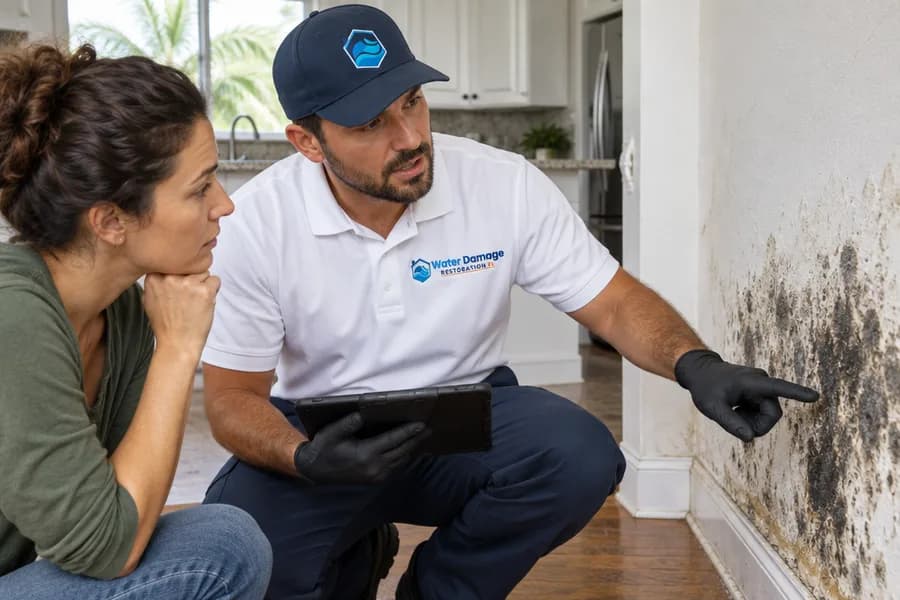
- The extent of the growth — a small surface spot is different from widespread growth behind walls.
- The location — mold in hidden areas or an HVAC system spreads more easily.
- The moisture source — mold only grows where something stays damp.
- Whether it's disturbed carelessly, which spreads spores.
How to tell if you have a mold problem
Mold often hides before it shows, so the signs aren't always visual. Watch for:
- A persistent musty or earthy smell, often the first clue.
- Visible discoloration or fuzzy growth on walls, ceilings, or grout.
- Bubbling paint or a soft feel to drywall near past leaks.
- A history of water damage that wasn't fully dried.
A mold inspection can confirm visible growth and, just as importantly, find the moisture conditions supporting it. Our post on what causes a musty smell covers the odor clue in more detail.
Why you shouldn't disturb mold carelessly
Whatever its color, disturbing mold without precautions — scrubbing, sanding, or tearing out materials — releases spores that settle and grow elsewhere. This is the main reason DIY attempts on larger growth often make things worse. Professional mold remediation contains the area, filters the air, removes affected materials, and corrects the moisture source so it doesn't return.
The bottom line
Instead of trying to identify mold by color, treat any significant growth as something to remove safely and address at its source. The color of the mold matters far less than the moisture feeding it — and controlling that moisture is what actually keeps it gone.
Where dark mold commonly appears
Dark mold, like all mold, shows up where moisture lingers — which tends to be the same handful of places in most homes. Knowing them helps you check the right spots rather than waiting for it to become obvious.
- Bathrooms — around tubs, showers, and grout, and behind toilets.
- Under sinks and around plumbing connections.
- Windows and exterior walls, where condensation collects.
- Basements, crawl spaces, and closets with poor airflow.
- Around HVAC systems and vents, where condensation forms.
- Anywhere a past leak or water event wasn't fully dried.
Is mold testing worth it?
People often wonder whether they should pay for lab testing to identify the mold. In most everyday situations, the answer is that testing doesn't change the response: any significant growth should be removed safely and its moisture source corrected, regardless of species. Testing can have a place — for instance, in a dispute, or when someone has specific medical guidance from a doctor — but for a typical visible mold problem, the practical priority is finding the extent and the moisture behind it, then addressing it, not spending on identifying a species by name.
How professionals handle mold safely
The reason professional removal matters isn't the color of the mold — it's the method. A proper job contains the work area so spores can't spread, runs HEPA air filtration during the work, removes materials the mold has grown into, cleans salvageable surfaces, and corrects the moisture source. That controlled approach is what keeps disturbing the mold from scattering it through the rest of the home, which is exactly the risk when dark mold is scrubbed or torn out without precautions.
How to prevent mold in the first place
Since color doesn't matter but moisture does, prevention comes down to controlling moisture. A few habits keep mold — dark or otherwise — from getting started:
- Fix leaks promptly and dry any water damage completely within 24 to 48 hours.
- Keep indoor humidity in check with air conditioning and, where needed, dehumidifiers.
- Ensure bathrooms, kitchens, and laundry rooms are well ventilated.
- Keep your AC condensate line clear — a common Florida moisture source.
- Address condensation around windows and cold surfaces.
- Don't ignore a musty smell, which often signals moisture before mold is visible.
Handle it yourself or call a professional?
A very small surface spot — a bit of mildew on bathroom grout, say — can often be cleaned safely yourself. But the calculus changes fast with size and location. Growth larger than about a square yard, mold inside walls or an HVAC system, mold after significant water damage, or any situation where disturbing it might spread spores all point to professional help. The professional advantage is containment, HEPA filtration, and correcting the moisture source — the things that keep removal from spreading the problem or letting it return.
The link between mold and humidity
In a climate like Florida's, humidity alone can sustain mold, no leak required. When indoor humidity stays high, moisture condenses on cooler surfaces and settles into materials, giving mold everything it needs. This is why controlling humidity is as much a part of mold prevention as fixing leaks, and why remediation that ignores an underlying humidity problem tends to be temporary. Keeping indoor humidity in a reasonable range removes the conditions mold depends on across the whole home, not just at a single wet spot.