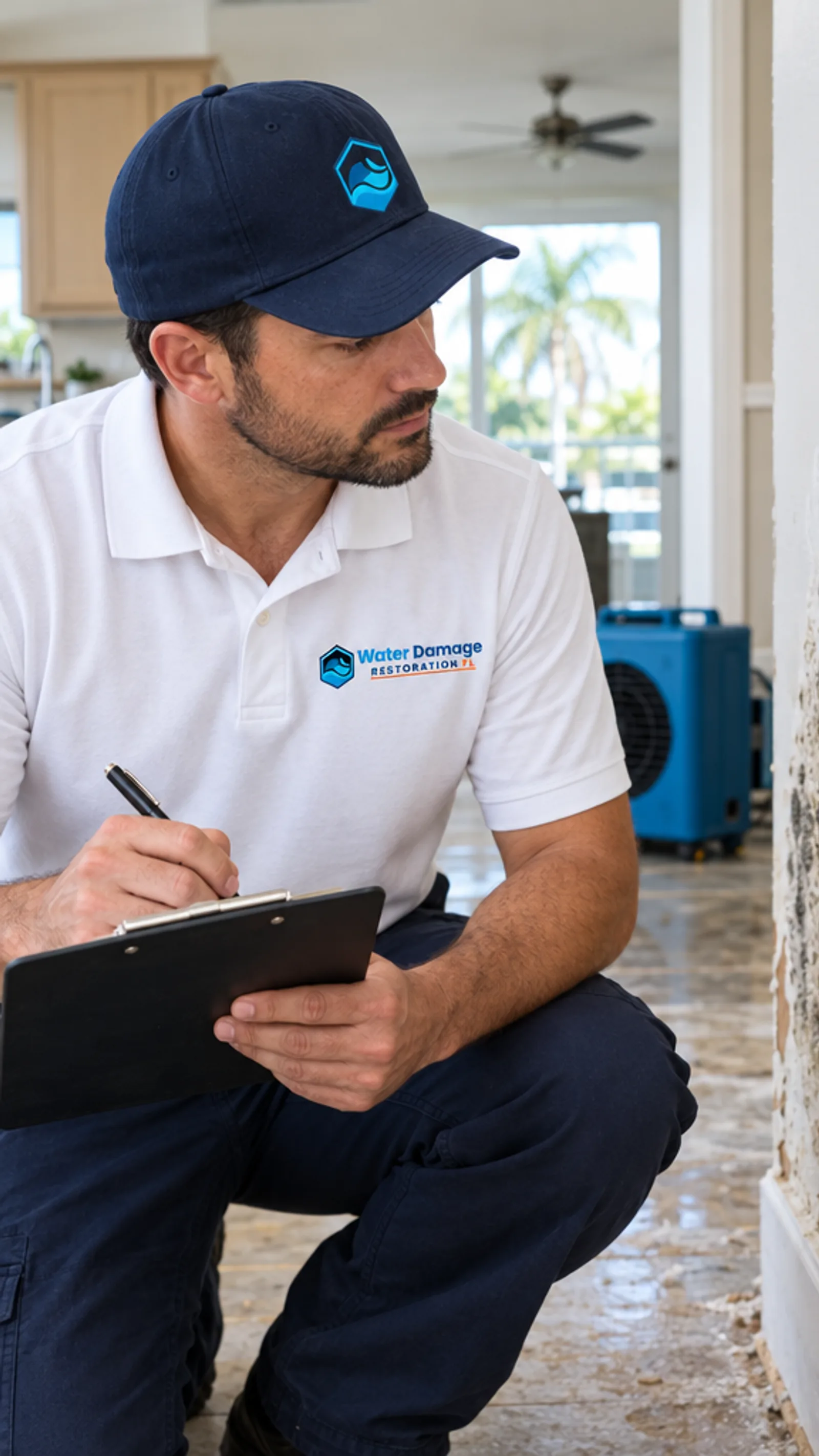
Mold remediation cost is one of those things that varies enormously, which makes online figures hard to trust. A small patch in a bathroom is a very different job from widespread growth through several rooms, and the difference shows up in the price. Understanding what drives the cost helps you make sense of an estimate and spot the factors that matter.
What you're really paying for
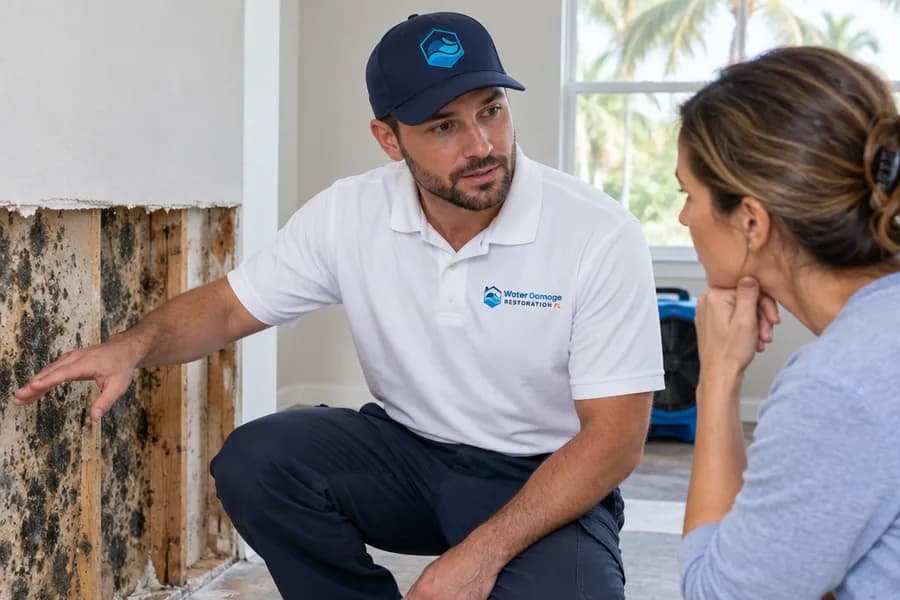
Mold remediation isn't just wiping away visible growth. Done properly, it includes containing the area so spores don't spread, filtering the air, removing materials the mold has grown into, cleaning what can be saved, and — critically — addressing the moisture that caused it. The cost reflects all of that, not just the removal.
The biggest cost drivers are:
- The size of the affected area — a single wall versus multiple rooms.
- The location — mold behind walls, under floors, or in an HVAC system is harder to reach.
- How much porous material (drywall, insulation, carpet) must be removed and replaced.
- Whether structural materials are involved.
- The moisture source that has to be corrected to prevent regrowth.
Removal vs. remediation
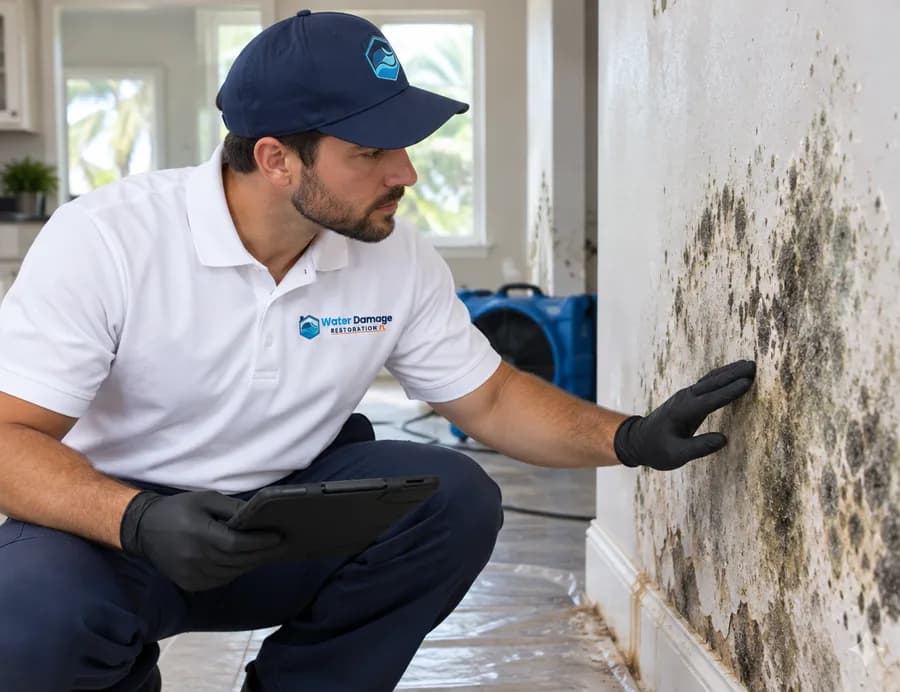
You'll see both terms, and the difference affects scope and cost. 'Removal' describes taking out the visible mold; 'remediation' is the complete process, including containment, cleaning, and fixing the moisture source. Because spores are naturally everywhere, remediation aims to return mold to safe, normal levels and keep it from coming back — not to sterilize the air. Our mold remediation service across Florida always addresses the moisture behind the growth, because removal without that is temporary.
Why the moisture source matters to the price
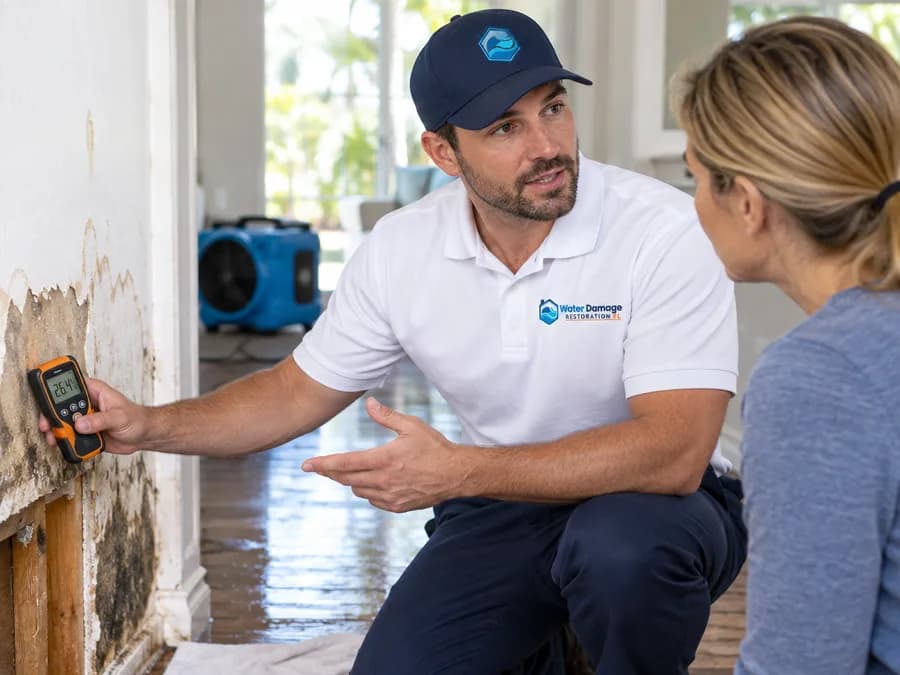
Here's a factor people underestimate: the cost of remediation is tied to the cost of stopping the moisture. Mold grows because something stays damp — a leak, condensation, poor drainage, or high humidity. If that source isn't fixed, the mold returns, and you pay twice. A thorough remediation includes finding and correcting it, and sometimes that moisture problem is the real expense.
It's also why water damage and mold are so connected. When water damage isn't dried completely, the leftover moisture feeds mold, turning one problem into two.
Does insurance help with mold costs?
Sometimes. Mold that results from a covered, sudden water loss may be covered, while mold from a slow leak or humidity is often excluded. Coverage varies widely by policy, and some policies cap mold coverage specifically. We cover this in our guide on whether insurance covers mold remediation.
Keeping mold costs down
The cheapest mold problem is the one that never grows. Because mold needs moisture, the most effective cost control is drying water damage quickly and fixing leaks promptly. When mold does appear, addressing it early — while it's small and contained — is far less expensive than waiting until it spreads through the structure.
A size-based look at remediation cost
While there's no fixed price, thinking in terms of scale helps set expectations. A small, contained spot — a corner of a bathroom or a section of one wall — is at the low end, since it's quick to contain and remove. A moderate problem spanning a room, or growth inside walls, sits higher because of the material removal involved. Widespread growth through multiple rooms, an HVAC system, or structural materials is the most expensive, both from the labor and from the reconstruction that follows.
The jump between these tiers is mostly about how much material has to come out and go back — which is why catching mold early, while it's small, is so much cheaper than waiting.
Costs people don't always expect
A remediation estimate can include more than removing the mold itself:
- Fixing the moisture source — the leak or humidity problem — which is sometimes the real expense.
- Structural drying of the area before repairs can begin.
- Replacing removed drywall, insulation, and flooring.
- Containment and HEPA filtration setup for larger jobs.
How to keep mold remediation affordable
The most effective cost control is prevention: because mold needs moisture, drying water damage quickly and fixing leaks promptly stops most mold before it starts. When mold does appear, addressing it while it's small and contained is far cheaper than waiting for it to spread. And correcting the moisture source as part of the remediation — rather than skipping it to save money now — avoids paying for the same problem twice when the mold returns.
Factors that raise remediation cost
A handful of specifics push mold remediation toward the higher end. Knowing them helps you understand an estimate:
- The size of the affected area — more square footage means more containment, removal, and labor.
- Hidden or hard-to-reach growth — inside walls, under floors, or in an HVAC system.
- How much porous material must be removed and replaced.
- Whether structural materials are involved.
- The moisture source that has to be corrected to prevent regrowth.
- The need for extensive drying before repairs can begin.
DIY vs. professional: the cost tradeoff
For a tiny, contained surface spot, careful DIY cleaning can be reasonable and cheap. But for anything larger, the DIY math often works against you: disturbing mold without containment spreads spores and can turn a one-room problem into a whole-home one, and skipping the moisture source guarantees regrowth. What looks like savings can become a bigger professional job later. The professional cost buys containment, proper removal, and — crucially — correction of the moisture source, which is what makes the result last.
What to ask a mold remediation company
Before hiring, a few questions clarify what you're getting:
- Will you identify and address the moisture source, not just the visible mold?
- How do you contain the area and filter the air during removal?
- What will be removed versus cleaned, and why?
- How will you confirm the area is dry before repairs?
- Do you provide documentation for my insurance claim?